How ‘The Boy Who Harnessed The Wind’ Just Quietly Became 2026’s Most Important New Musical
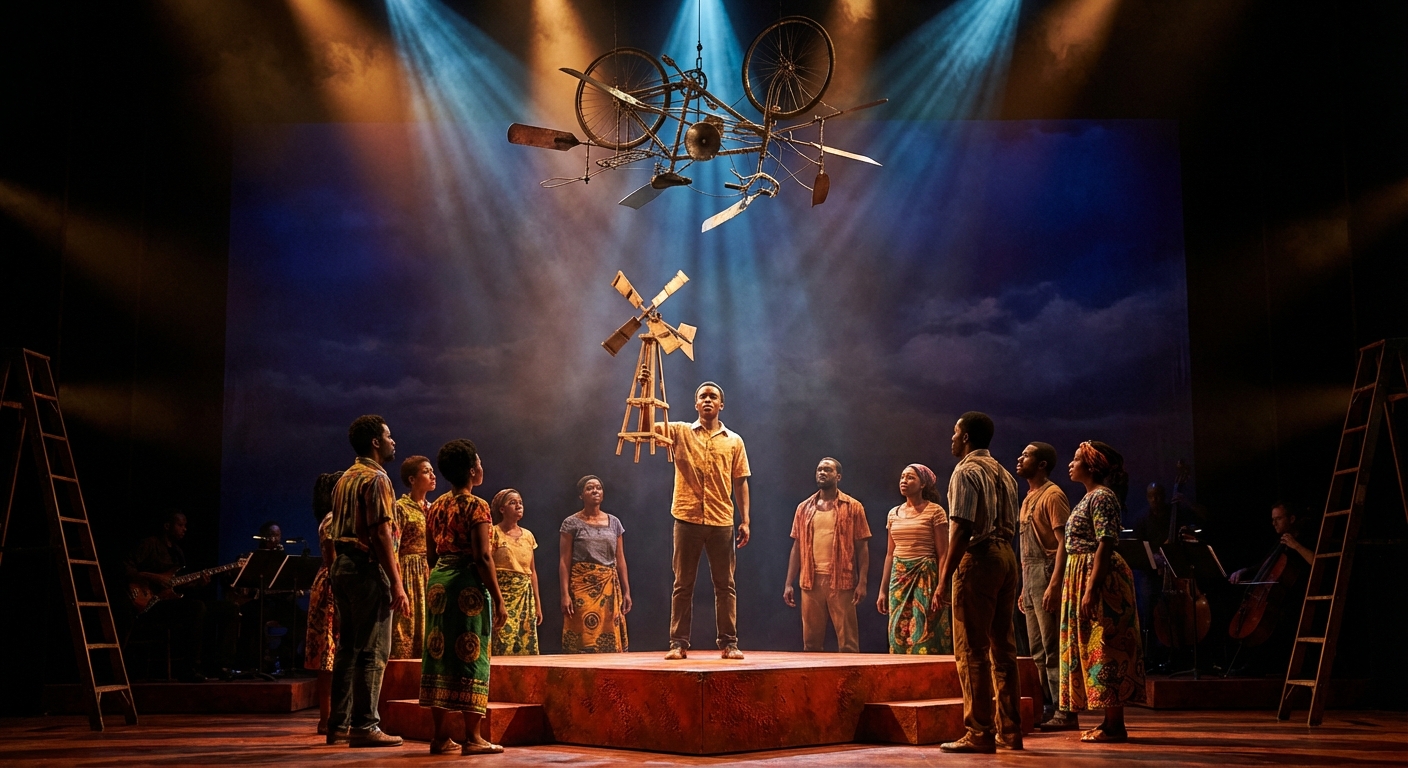
If you love musical theatre, you probably know the annoying pattern by now. A new show is barely whispered about, then suddenly every ticket is gone and everyone online is acting like they discovered it first. That is exactly why The Boy Who Harnessed the Wind musical matters right now. While most of the noise is going to giant film adaptations and familiar revivals, the show serious theatre people are quietly tracking is this new world premiere at the Royal Shakespeare Company. It has the kind of setup that often turns a respected new piece into the next must-see event. It starts with a powerful true story from Malawi, adds the backing of a major UK institution, and then moves through the kind of Stratford-to-London path that often signals confidence from producers. If you want to spot the next breakout before it becomes a bragging point, this is the one to watch, and now is the rare moment when you can still follow it as it changes in real time.
⚡ In a Hurry? Key Takeaways
- The Boy Who Harnessed the Wind musical looks important because it has premiered at the RSC ahead of a West End transfer, which is often how serious new British musicals build momentum.
- If you want to catch it early, watch casting changes, review updates, audience word of mouth, and how the show shifts between Stratford-upon-Avon and London.
- This is the sweet spot for value. Buzz is building, but the show is still being refined, so early viewers can often get access before demand spikes.
Why this show matters more than the loudest titles
Big commercial titles have a way of swallowing all the oxygen. If a musical is based on a famous movie, has a household-name star, or is returning with a beloved score, it gets instant attention. That does not always mean it is the most artistically important thing happening.
The Boy Who Harnessed the Wind musical stands out because it is not riding pure nostalgia. It is based on a real-life story that already has emotional pull, but onstage it has to win audiences in a different way. No giant built-in singalong. No easy brand recognition from a decades-old stage hit. It has to connect through storytelling, craft, and urgency.
That is often where the really interesting work starts.
The story already has built-in power
The musical draws from the true story of William Kamkwamba, the Malawian inventor who, as a teenager, built a windmill from scrap materials to help his village during famine. Even if you know the memoir or the film adaptation, the stage version has a different job. Theatre does not just retell events. It turns them into a shared experience in a room full of people.
That matters here because the material is naturally theatrical. You have invention, family pressure, community stakes, weather, hunger, and the image of a handmade windmill becoming a symbol of survival. Those are not small emotions. They are exactly the kind of things that music can push into your chest.
Why a true story helps
Audiences can feel when a show has real-world weight. This one is not just trying to entertain for two and a half hours. It is also asking bigger questions about education, inequality, climate, ingenuity, and who gets called a genius. That gives it a seriousness that can attract both regular theatre fans and the kind of industry people who want to back work that says something.
Why the Royal Shakespeare Company premiere is such a strong signal
This is the part casual fans sometimes miss. Where a show starts tells you a lot.
The Royal Shakespeare Company is not just a famous name on a poster. It is a place with infrastructure, reputation, development support, and an audience that is used to seeing ambitious work. When a new musical premieres there, people pay attention for a reason. The venue gives the creative team room to test, sharpen, and rebuild before a larger commercial life begins.
That does not guarantee a hit. Nothing does. But it does mean the show is being taken seriously at a high level.
Stratford first, London next is not an accident
The Stratford-upon-Avon to West End pipeline is one of the clearest early signs that producers believe they have something substantial. A regional or institutional launch lets the team see what lands with audiences. Songs can be moved. Scenes can be trimmed. Pacing can be tightened. By the time the production reaches London, it is often a stronger show.
So if you are trying to work out whether this is just another nice idea or a genuine contender, that transfer path is one of the best clues you can get.
What makes this feel like a 2026 conversation piece
A lot of big new musicals arrive with marketing first and meaning later. This one seems to be working in the opposite direction. The conversation around it is growing because people in the theatre world see several ingredients lining up at once.
1. It has a socially grounded story
There is a growing appetite for musicals that are about more than brand recognition. Audiences still want spectacle, yes, but they also want a reason to care. A story rooted in community, survival, and invention can travel far if the score and book do their jobs.
2. It is not trapped by movie-musical expectations
Ironically, not being a giant stage adaptation may help it. There is less baggage. People are not showing up with a checklist of scenes that must look exactly like the screen version. That gives the creative team more room to make bold choices.
3. It has the right kind of early buzz
There is noisy buzz, then there is industry buzz. Noisy buzz comes from ad campaigns and social clips. Industry buzz comes from the quieter stuff, which is often more useful. Are theatre insiders making the trip? Are critics watching closely? Are people talking about how the piece may evolve rather than whether it exists at all? That second kind of attention is usually more meaningful.
How to tell if it is really breaking out
If you are tired of hearing about a show only after the scramble starts, here are the signs to watch.
Look for language in early reviews
Do reviewers say it is moving, ambitious, and not quite finished? That can actually be good news at this stage. You are not looking for perfection on day one. You are looking for evidence that the foundations are strong enough to improve fast.
Track what changes between runs
When a show heads from the RSC to @sohoplace, pay attention to what gets discussed. Song order. Running time. Character focus. Ending tweaks. These are not boring technical details. They tell you what the team thinks the show needs to become more powerful.
Watch who starts showing up
As buzz grows, you will often see more theatre professionals, producers, writers, and repeat attendees talking about it. If the audience shifts from curious locals to a wider circle of industry watchers, that is another sign momentum is building.
Notice whether the conversation is about craft
When people discuss a new musical in terms of staging, score, adaptation choices, and emotional structure, that is usually healthier than pure hype. It means the work itself is driving interest.
How to get in before tickets become a headache
This is the practical part. If you want to see The Boy Who Harnessed the Wind musical before everyone else starts calling it essential, timing matters.
Start with the official venue channels
Check the RSC while the Stratford run is current, then monitor @sohoplace for transfer details. Sign up for alerts. It sounds obvious, but plenty of people wait for social media chatter and miss the cleanest route to booking.
Be flexible about dates
Midweek performances, previews, and less obvious dates often stay available longer. If you are willing to go on a Tuesday instead of a Saturday, your odds improve fast.
Do not wait for a consensus
The whole point of catching a show at this stage is seeing it before everyone agrees on the narrative. Once the major press and awards chatter settle in, the easy access usually goes with it.
Follow the evolution, not just the ticket link
Read interviews with the writers and creative team. Watch for cast updates. Keep an eye on whether songs get mentioned repeatedly by audiences. That helps you understand not just whether to book, but why the show may be gathering force.
Why this could matter beyond one production
For theatre fans, this is exciting because it could become one of those rare “I saw it early” stories. For emerging writers and makers, it is even more useful. This is a live example of how a new musical can grow without depending entirely on a giant film brand or a pre-sold pop catalogue.
It shows that a globally relevant story, strong institutional backing, and a careful transfer plan can still build real heat. That is valuable knowledge if you care about where musicals are heading next.
It also reminds people that important theatre does not always arrive with the biggest megaphone. Sometimes it starts with a quieter premiere, a respected venue, and a lot of smart people paying very close attention.
At a Glance: Comparison
| Feature/Aspect | Details | Verdict |
|---|---|---|
| Source material | A true Malawian story with emotional stakes, social relevance, and strong theatrical imagery. | More distinctive than a routine screen-to-stage cash-in. |
| Launch strategy | World premiere at the Royal Shakespeare Company, followed by a West End move to @sohoplace. | A strong sign of confidence and a smart route for refinement. |
| Audience opportunity | Buzz is growing, but the show is still early enough for fans to track changes and book before peak demand. | One of the best times to pay attention if you want to be ahead of the curve. |
Conclusion
If you have been burned before by discovering a great show one sold-out week too late, this is exactly the kind of production worth watching now. The Boy Who Harnessed the Wind musical has just premiered at the Royal Shakespeare Company ahead of its West End transfer, which puts it in that rare sweet spot where the creative team is still refining the work while serious buzz is already building. That makes it useful not just as a ticket tip, but as a real-time lesson in how a socially grounded, non-movie-based musical can become the show everyone suddenly talks about. Follow the signals. Watch what changes from Stratford-upon-Avon to @sohoplace. And if you can, get in the room early. This is how you spot the conversation piece before the rest of the world catches up.