Inside ‘Sinatra The Musical’: How A West End Bio‑Show Just Became 2026’s Most Important Classic-Crossover Ticket
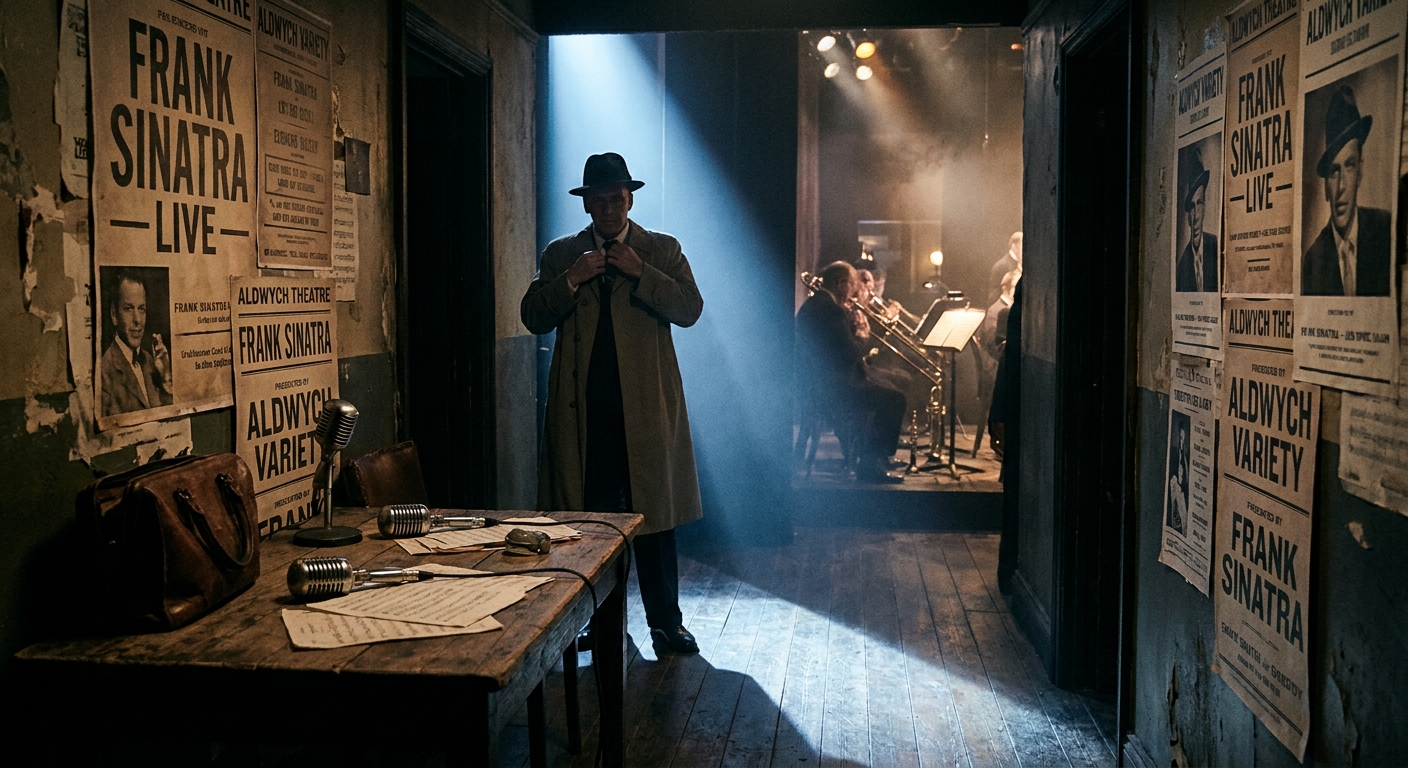
You can waste a lot of money chasing West End buzz. One week it is a film adaptation. The next, a pop back-catalogue show with flashy ads and very little staying power. That is why Sinatra The Musical matters right now. If you have been trying to work out which classic-inspired musical is actually worth your attention, this is the one to watch closely. Not because it is trading on nostalgia alone, but because it seems built around a smarter idea. Instead of trying to cram Frank Sinatra’s whole life into one loud evening, the show focuses on the years that made him. That choice matters. It gives the songs a job to do, rather than turning them into a greatest-hits concert in costume. With the official West End opening now landing at the Aldwych, this is the rare moment when a Sinatra The Musical West End review is still being shaped by real audience response, not just marketing copy.
⚡ In a Hurry? Key Takeaways
- Sinatra The Musical looks important because it tells a focused early-years story, not a rushed cradle-to-grave biography.
- If you are choosing one classic-crossover ticket to track or book, watch early audience reactions at the Aldwych before prices jump on pure hype.
- The real value here is bigger than one show. It may signal where premium jukebox and legacy-artist musicals go next.
Why this show is cutting through the noise
There is a simple reason people are paying attention. The market is crowded, but not everything in it has a clear point of view.
Many music biographical shows fall into the same trap. They try to cover childhood, fame, scandal, heartbreak, reinvention and the final bow, all before the interval drinks are warm. You leave with a playlist, but not much of a story.
Sinatra The Musical appears to be avoiding that. By centering on the singer’s early rise, the show can use familiar songs to support character and ambition, not just trigger applause. For regular theatregoers, that means a better chance of dramatic shape. For producers and marketers, it is a reminder that restraint can be more commercial than excess.
What makes the early-years angle such a smart move
It turns famous songs into storytelling tools
Frank Sinatra’s catalogue is so well known that it can easily flatten a show. The danger is obvious. The moment a massive standard starts, the audience can shift from watching a scene to waiting for the note they know from the record.
A focused younger-Sinatra story helps solve that. It lets the songs reflect hunger, insecurity, romance, class aspiration and the pressure of becoming a star. That gives the material tension.
It avoids the “Wikipedia musical” problem
People do not need a stage show to list life events they can read in two minutes online. What they want is meaning. Why this artist, now? Why this period? Why these songs?
By narrowing the frame, the creative team has a better shot at answering those questions. That is often where the strongest music-driven dramas separate themselves from the jukebox pack.
Why the Aldwych Theatre is more than just a venue booking
The Aldwych is not a random landing spot. It is a strategic choice.
First, it gives the production a room with status. Sinatra as a brand still carries elegance, polish and old-school prestige. A theatre with a certain weight to it helps sell that before a note is sung.
Second, the Aldwych sits in a part of the West End where tourist traffic and serious theatre interest overlap nicely. That matters for a show like this. It needs both groups. Casual visitors know the name Sinatra. Theatre fans want to know whether the piece itself is any good.
Third, venue identity affects pricing power. In a market where audiences are choosing carefully, the building itself becomes part of the sales pitch. If you are asking people to spend premium money on a legacy-artist title, every signal of quality counts.
What to look for in a real Sinatra The Musical West End review
If you are trying to separate signal from noise, ignore the first wave of overexcited social posts and ask a few plain questions.
Does the story hold together without prior Sinatra fandom?
This is the big one. A good bio-musical should work even if the audience walks in knowing only two songs and the hat silhouette.
Do the songs feel earned?
When the music starts, does it deepen the scene, or does it pause the story for recognition claps? That tells you almost everything about whether the piece has real dramatic control.
Is the lead performance doing more than imitation?
Audience members may come for vocal likeness, but they stay for emotional truth. The best performer in a show like this captures drive, vulnerability and contradiction, not just phrasing.
Does the production feel expensive in the right ways?
“Expensive” does not just mean polished costumes and glossy lighting. It means confidence. A show should know where to spend visual energy and where to let the acting carry the night.
Why this could become 2026’s key classic-crossover ticket
Because it sits at the intersection of three trends that are only getting stronger.
Trend 1: Legacy artists are becoming premium stage IP
Musical theatre is looking harder at artist catalogues with built-in trust, multigenerational appeal and licensing value. Sinatra is one of the clearest examples imaginable.
Trend 2: Audiences want familiarity, but not laziness
People like recognisable titles. They just do not want to feel conned by them. A show has to offer a reason to exist beyond name recognition. If Sinatra The Musical lands, it will be because it understands that difference.
Trend 3: Producers are searching for “event” shows outside the obvious pop lane
Not every audience wants the latest chart star on stage. There is room, and money, in sophisticated crossover work that treats older music as living material rather than museum glass.
What this means for fans, producers and marketers
For fans
If you love classic vocal music but do not always trust tribute-style packaging, this is the kind of production worth tracking early. The key is to watch for consistency in audience reaction after official opening, not just opening-night glamour.
For producers
The lesson is that catalogue value alone is not enough. Story architecture matters. Choosing one era of a famous life can be smarter than trying to “cover everything.” It is easier to market, easier to review and often more emotionally satisfying.
For marketers
The pitch should not just be “come hear the hits.” It should be “come see the making of the myth.” That gives both older and younger buyers a narrative hook.
Should you plan a trip around it?
If you are choosing one classic-led West End show with a real chance of shaping the conversation, yes, this is a strong bet.
That does not mean buying the most expensive seat this second. It means paying close attention during this opening stretch. If reviews and audience feedback agree on the same core strengths, focused story, strong lead, songs used with purpose, then the case gets much stronger very quickly.
If the feedback is more split, you still have something useful. You will know whether this is a fan-first title, a craft-first title, or simply a handsome nostalgia night.
At a Glance: Comparison
| Feature/Aspect | Details | Verdict |
|---|---|---|
| Story focus | Concentrates on Sinatra’s early years instead of covering his entire life. | A smart choice. Better odds of strong drama and less biopic clutter. |
| Song use | The catalogue is positioned as part of character-building, not just a parade of hits. | Promising. This is what separates serious musical storytelling from karaoke biography. |
| West End positioning | The Aldwych Theatre gives the production prestige, tourist visibility and premium-ticket logic. | Strategically strong. The venue supports the show’s upscale legacy appeal. |
Conclusion
Right now, Sinatra The Musical is interesting for a reason bigger than simple opening-week excitement. It is arriving in that rare window where industry buzz, fan guesswork and real audience response are all colliding at once. That makes this the perfect time to pay attention. By looking at how the show uses Sinatra’s catalogue to tell a tighter early-years story, why the Aldwych Theatre is such a smart fit, and what that says about the future of high-end jukebox and legacy-artist musicals, you get useful insight before the louder think pieces roll in months from now. Whether you are a ticket buyer, a producer, a marketer or just someone tired of chasing hype, this is one of those moments where watching carefully now could tell you where musical theatre is heading next.