Why Dylan Mulvaney’s ‘Six’ Debut Just Quietly Redefined What A Global Musical Hit Looks Like
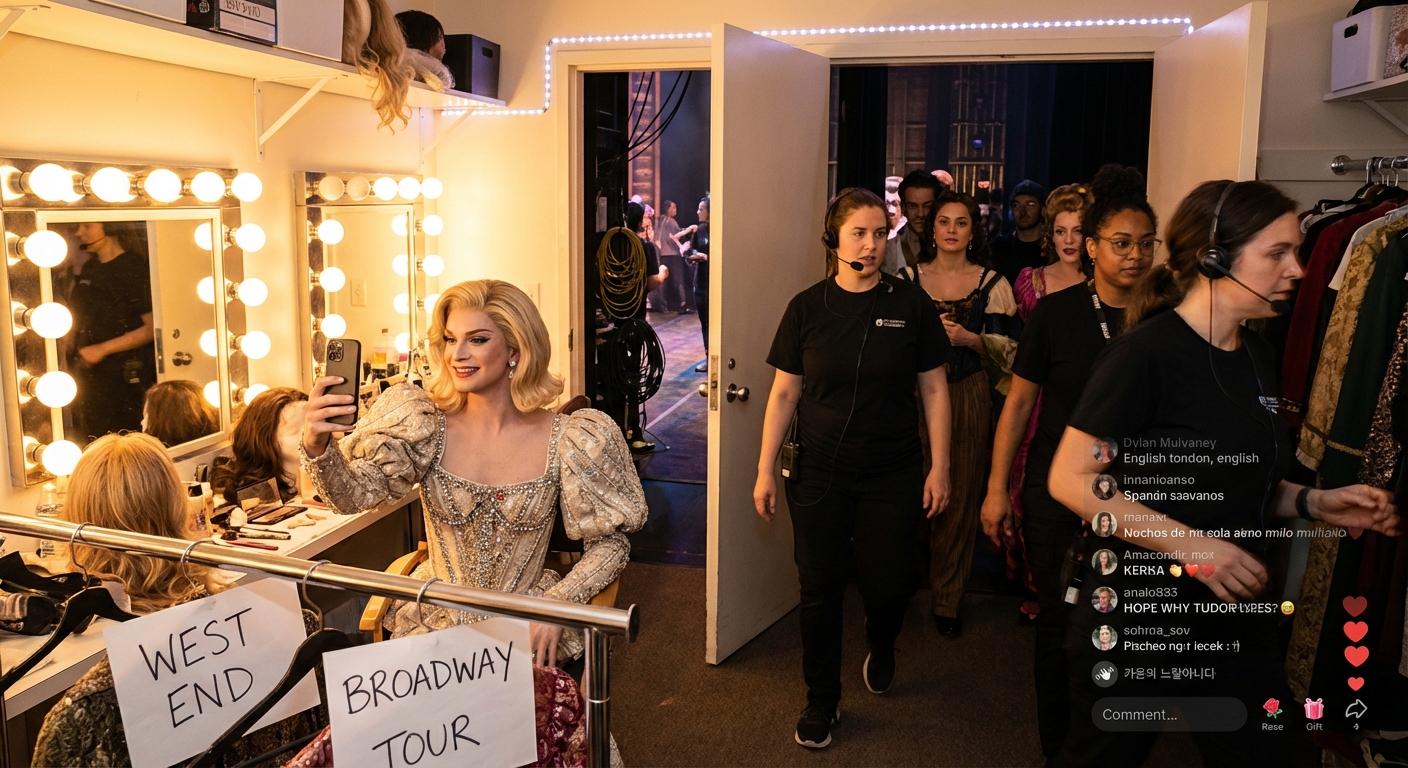
You are not wrong if Broadway news has started to feel like static. One day a casting announcement is treated like a revolution. The next day it is buried under backlash, fan edits, box office chatter, and takes from people who may not even see the show. That is exactly why the Dylan Mulvaney Six Broadway debut matters. It gives you one clear case study, happening right now, that shows where musical theatre is moving in plain sight. This is not just about one performer joining one hit show. It is about how a global musical keeps itself alive, how online fandom now affects real ticket demand, and how trans representation lands when it is placed inside a mainstream commercial machine instead of around the edges. If you want one modern Broadway story that actually helps you spot the future, this is the one to watch.
⚡ In a Hurry? Key Takeaways
- Dylan Mulvaney’s Six Broadway debut matters because it combines major-stage trans representation, built-in online fandom, and a proven global title that knows how to refresh itself.
- When you judge future casting news, look at three things together: ticket movement, fan engagement online, and whether the show already has a strong international brand.
- Do not confuse backlash with failure. Loud criticism can coexist with real audience interest and smart long-term positioning for a musical.
Why this casting cut through the noise
Broadway is always changing, but not every change means much. Some are fun headlines. Some are inside-baseball stories only theatre diehards care about. The Dylan Mulvaney Six Broadway debut feels different because it sits at the center of three trends that are shaping commercial theatre right now.
First, it puts a high-profile trans performer inside a major Broadway property with a huge fan base. Second, it tests whether a social media-native star can turn attention into ticket sales in a space that still likes to think of itself as old-school. Third, it shows how Six, already one of the most exportable musicals of the last decade, keeps evolving without losing its identity.
That mix is what makes this more than celebrity casting. It is a stress test for the next era of musical theatre.
Why Six is the perfect show for this moment
Six was built for the way audiences live now. It is fast, meme-friendly, emotionally direct, and easy to share online. People do not just attend it. They clip it, quote it, rank queens, trade slime tutorial lore, and follow cast changes almost like sports fans track transfers.
That matters because a long-running show has a basic problem. After the first wave of hype, how do you stay urgent? You can only market “still here” for so long. A show needs fresh reasons for people to care.
Six has been unusually good at this. Its format helps. The rotating queens model makes new casting feel like an event rather than a disruption. Fans are already trained to be interested in who steps into each role. So when someone with Dylan Mulvaney’s reach enters that system, it does not feel random. It feels like the show understanding the internet age better than many of its competitors.
What Dylan Mulvaney brings that traditional Broadway casting does not
1. Built-in audience attention
Traditional Broadway casting often starts with a familiar stage performer, a TV actor, or a recording artist with crossover recognition. Mulvaney represents a slightly different lane. Her audience grew in public, online, in a way that creates a stronger feeling of personal investment. Fans do not just know who she is. They feel like they know her story.
That kind of attachment can be powerful. It turns a casting notice into an event. It also pulls in people who might not otherwise track Broadway at all.
2. Representation that is visible, not symbolic
Broadway likes to describe itself as progressive, but there is a difference between supportive language and major-stage visibility. A trans performer joining a mainstream hit carries weight precisely because it is not tucked away in a niche production. It says this kind of casting belongs at the center of the business.
For fans, that can feel validating. For producers, it can be clarifying. Representation is not just a moral argument. It is also part of how shows build cultural relevance now.
3. A test of whether online fame converts
This is where the industry side gets interesting. Attention is easy to spot. Conversion is harder. The real question is not whether Mulvaney trends. It is whether that attention helps fill seats, keeps the show in conversation, and broadens the audience beyond the usual theatre crowd.
That is the part people should watch carefully before declaring this a triumph or a gimmick.
How to read the reaction without getting lost in the shouting
Whenever a casting choice touches identity, celebrity, and internet culture at the same time, the response gets messy fast. Some people are thrilled. Some are skeptical. Some are angry on principle. And some are simply farming outrage because outrage is easy traffic.
So here is the useful way to read it.
Look at grosses, not just trending topics
Trending discussion tells you who is talking. It does not tell you who is buying. If you want to know whether a casting move matters, check whether the show gets a noticeable bump in demand, pricing power, or sustained attention over several reporting periods.
One strong week can be curiosity. Repeated strength is signal.
Separate backlash from business impact
A show can face loud online criticism and still benefit commercially. In fact, some of the loudest casting fights happen precisely because the production has cut through. That does not mean every controversy is good. It means volume alone is not proof of damage.
If the conversation stays hot, if fans keep creating content, and if casual audiences start seeing the show as newly relevant, the business case may be stronger than the mood online suggests.
Watch who the story reaches
The most important question may be whether this debut expands the map. Does it reach younger viewers, LGBTQ+ audiences, people who follow digital creators, or international fans who know Mulvaney from social platforms more than from theatre? If yes, then the casting has value beyond a single run.
What this says about the future of global musical hits
The old model for a giant musical was fairly simple. Open big. Get reviews. Win awards if possible. Launch tours and sit-down productions. Build the brand from the stage outward.
That still matters, but it is no longer enough on its own.
Now a global hit has to live in several places at once. On stage, yes. But also on TikTok, Instagram, YouTube clips, fan accounts, cast announcement posts, and group chats. A show has to function as a live event and as an ongoing social object.
That is where the Dylan Mulvaney Six Broadway debut quietly redefines the picture. It suggests that a major musical can keep renewing itself by casting people who already know how modern attention works. Not every influencer can do that. Not every production should try. But for the right show, with the right performer, it can be smart, not desperate.
A simple framework for judging future casting announcements
If you want a cleaner way to tell whether a casting story matters, use this three-part test.
Brand fit
Does the performer make sense for the show’s tone, audience, and identity? In Six, the answer is easier to see because the show already lives in a pop-forward, fandom-heavy space.
Audience transfer
Can the performer bring in people who are not already planning to buy tickets? This is where digital stars can be very useful, if their audience is active and emotionally invested.
Longevity effect
Does the casting help the show feel new again without making it look like it is panicking? Good long-running productions refresh with confidence. Bad ones chase attention because they are running out of it.
By that standard, this debut is worth taking seriously.
Why this is bigger than one week of Broadway chatter
It would be easy to reduce all of this to “celebrity stunt casting,” but that misses the point. Stunt casting usually feels like a short-term patch. This feels more like a window into how long-running hits stay alive in a crowded culture.
Broadway is not competing only with other shows anymore. It is competing with endless scrolling, streaming platforms, concerts, sports, and every other form of attention. A production that understands how identity, fandom, and shareability work together has a better chance of staying global.
That is why this one casting change matters more than it first appears. It is not just a story about who walked onstage. It is a story about what kind of performer now counts as commercially powerful.
At a Glance: Comparison
| Feature/Aspect | Details | Verdict |
|---|---|---|
| Representation | A high-profile trans performer appearing in a mainstream Broadway hit, not a fringe production. | Important signal that inclusive casting is moving into the commercial center. |
| Fan draw | Mulvaney brings a large online following with strong personal investment and shareable buzz. | Strong potential ticket engine, if online attention turns into sustained demand. |
| Show strategy | Six uses rotating casting to keep a long-running title feeling fresh across markets. | Smart model for how global musicals can stay current without changing the core product. |
Conclusion
The reason this story deserves your attention is simple. Dylan’s performances in Six are unfolding in real time, and they bring together three forces that matter right now: trans representation on a major Broadway stage, the ticket-selling power of social media-native performers, and the way a long-running musical refreshes itself to stay globally relevant. If you watch this debut closely, you get more than a headline. You get a practical way to read Broadway smarter. Check the grosses. Notice who is talking and who is buying. Ask whether the casting expands the audience or just creates noise. That framework will help you spot which future casting announcements point to the next true worldwide hit, and which ones are just hype dressed up as history.