Inside Alicia Keys’ ‘Hell’s Kitchen’ Takeover: How A “Closing” Broadway Hit Just Became 2026’s Hottest Touring Musical
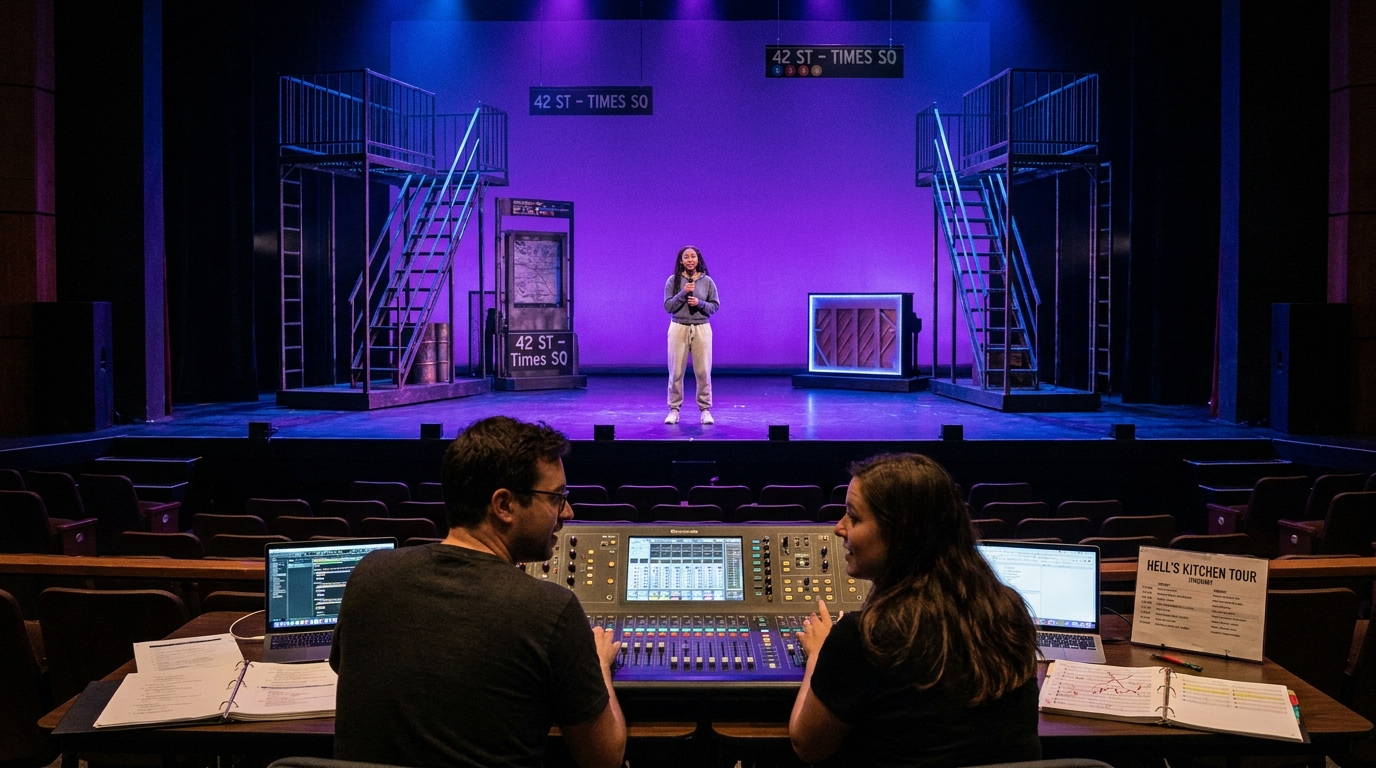
If you are tired of seeing Hell’s Kitchen reduced to one lazy question, was it a Broadway hit or not, you are not alone. That framing misses the part that actually matters. The Alicia Keys musical is doing something far more interesting right now. It is turning a New York run that sparked debate into a serious touring play for 2026, and it is doing it in public. That means new casting choices, new sound choices, new audience math, and a new test of whether an artist-led show can travel without feeling watered down. For people who make theater, write about it, or simply care about what happens after Broadway, this is the real story. Hell’s Kitchen is no longer just being judged as a closed or closing Broadway title. It is being rebuilt as a road-ready pop musical with a broader map, a clearer audience, and a second life that could end up bigger than its first.
⚡ In a Hurry? Key Takeaways
- Hell’s Kitchen Alicia Keys musical tour 2026 looks less like a victory lap and more like a smart reset, with touring changes built to help the show grow beyond Broadway.
- If you create or cover live entertainment, watch the pivot points. Casting, sound design, venue size, and audience targeting often matter more on tour than old Broadway labels.
- A Broadway close is not always the end. In some cases, it is the safer and more valuable way to rebuild a show for bigger regional and national demand.
The wrong argument is getting all the attention
On Tony day, the loudest conversation is usually the simplest one. Did the show win. Did it lose. Did the weekly grosses look strong enough. Did Broadway keep it alive long enough to count as a clean success.
That kind of scorekeeping is easy. It is also a bad way to understand what is happening with Hell’s Kitchen.
The better question is this. What happens when a modern jukebox-adjacent, artist-driven musical stops trying to prove itself only in Manhattan and starts building a life on the road?
That is where Hell’s Kitchen gets genuinely interesting. Alicia Keys is not just attached as a celebrity name over the title. Her identity, music, story-world, and audience expectations are baked into the show. So when the production shifts into touring mode, every choice matters more. You cannot just copy and paste Broadway into a bus-and-truck model and hope people in large touring houses feel the same electricity.
Why the tour may matter more than the Broadway run
Broadway is still the shop window. It gives a show status, reviews, award attention, and a pressure-cooker test. But Broadway is not always the place where a title reaches its biggest audience. That is especially true for contemporary musicals built around a known artist with a fan base that extends far beyond traditional New York theatergoers.
Hell’s Kitchen has a built-in advantage there. Alicia Keys brings recognition across age groups, music fans, casual theater buyers, and people who may only see one or two shows a year. On Broadway, that can help. On tour, it can change everything.
A touring market lets the show meet audiences where they already are. Not every fan is planning a New York trip. Plenty will absolutely buy tickets when the production lands in a major city nearby.
Broadway asks one set of questions
In New York, the pressure is relentless. Weekly grosses are public. Competition is intense. Running costs are brutal. Press narratives harden fast. A show can be artistically alive and still get boxed into a narrow commercial story.
Touring asks a different set
On the road, the questions change. Can the sound fill a bigger house. Can the emotional intimacy survive distance from the stage. Can local marketing connect the show to both theater subscribers and Alicia Keys fans. Can fresh casting give the production a new jolt. Can the design travel efficiently without looking smaller or cheaper.
Those are practical questions, but they shape the art.
What “artist-led” really means here
A lot of shows use a star name as decoration. Hell’s Kitchen does not really have that luxury. Alicia Keys is central to the brand promise. Audiences expect a certain emotional truth, musical power, and contemporary edge. That creates opportunity, but it also creates a burden.
If the show feels too polished, it can lose its rawness. If it feels too reduced on tour, fans may feel they got the budget version. If it changes too little, it risks carrying Broadway problems into a totally different market.
That is why the most important part of the Hell’s Kitchen Alicia Keys musical tour 2026 story is not whether the road company “matches” Broadway. It is whether the creative team understands what has to stay sacred and what has to be rebuilt.
What likely stays sacred
The emotional spine. The Alicia Keys songbook. The New York identity. The coming-of-age pull. The feeling that music is not wallpaper but the engine of the story.
What almost certainly has to change
Sound mix decisions for larger houses. Blocking that reads farther back. Scenic choices that load in and out more reliably. Pacing that works for touring audiences who may respond differently than Broadway regulars. Possibly even performance style, because intimacy on tour often has to be played with more shape and clarity.
Fresh casting is not a compromise. It is part of the strategy
One of the easiest mistakes fans make is treating new casting like a downgrade. Sometimes it is the opposite. A tour needs performers who can carry the material eight times a week across cities, spaces, and audience types. That is its own skill set.
Fresh casting can also help reset the conversation around a show. Instead of asking whether the tour is a copy of the Broadway company, audiences start responding to what is in front of them now.
That matters for Hell’s Kitchen. The show is entering a phase where it needs to feel alive, not preserved. Touring can create that feeling. A new lead, a different chemistry on stage, or a slightly changed vocal texture can make familiar material feel current again.
Why this helps the brand
Alicia Keys is a living artist, not a legacy catalog frozen in amber. A show tied to her work should feel like it can breathe. Touring gives the production room to prove that the material is strong enough to hold different performers and still keep its core identity.
The sound redesign may be the biggest hidden story
Pop-driven musicals live or die on sound. And sound is one of the least visible but most important parts of a Broadway-to-tour transfer.
In a Broadway house, designers learn the room in detail. They tune for that exact space. On tour, the same show has to hit in venue after venue, each with different acoustics, sightlines, orchestra pit setups, rigging limits, and audience expectations.
That is especially tricky for Hell’s Kitchen. Alicia Keys songs carry a certain weight with listeners. Fans know how those songs should feel in their bodies. If the low end is muddy, if vocals sit wrong in the mix, if transitions lose momentum, people notice even if they cannot explain why.
So when people talk about this show becoming a possible touring juggernaut, sound is not a side note. It is central. A smart touring sound redesign can make the whole production feel richer, more emotional, and more immediate than some people remember from Broadway.
What good tour sound has to do
It has to serve story first. It has to keep the pop energy. It has to make lyrics clear. It has to support the singers without flattening them. And it has to scale for audiences sitting much farther away from the stage.
Audience building is changing too
This may be the part the big trades cover least well. Touring is not just moving a set around North America. It is rebuilding the relationship with the audience city by city.
Hell’s Kitchen has more than one audience lane. Traditional theater subscribers. Alicia Keys fans. Younger ticket buyers who came in through social clips and playlists. Black theatergoers interested in contemporary stories that feel culturally specific without feeling boxed in. Out-of-town groups looking for a title they recognize.
On Broadway, those groups can blur together in the same sales funnel. On tour, producers have to speak to them more directly.
That changes marketing language
You do not sell this only as a Tony-recognized Broadway musical. You also sell it as a music-first emotional event, a New York story, and a chance to hear beloved songs in a theatrical setting that still feels current.
That changes community strategy
City-based outreach matters more. Partnerships matter more. Local radio, music press, dance communities, arts groups, and social creators can matter as much as standard theater ads.
For the Legend The Musical community, this is the useful lesson. Audience building works better when you stop assuming one message fits everyone.
Why a Broadway closing is not always a failure
This is where the conversation often gets stuck. People hear that a show closed in New York, or looked shaky there, and assume the market has delivered a final verdict.
That is not how this works anymore.
Broadway can be a launchpad, a laboratory, a branding exercise, and a prestige layer all at once. A show may leave New York and become healthier, clearer, and more profitable somewhere else. Sometimes the road is not the leftovers. It is the main event.
Hell’s Kitchen may end up being a textbook example. Not because Broadway did not matter, but because Broadway may have done its job. It introduced the property, tested the material, drew press, built awareness, and sharpened the show for the next phase.
Think of it like software after version 1.0
The first release proves the concept. The next release fixes what did not quite land, keeps what users loved, and reaches people who were never going to line up on launch day in one city.
That does not cheapen the original. It makes the next version smarter.
What producers and creators should study here
If you work in theater, or even adjacent to it, Hell’s Kitchen is worth watching as a case study.
Creative ownership
The closer the artist is to the identity of the piece, the more carefully the tour has to protect the core feeling while still making practical changes. That balance is hard. It is also where a lot of modern stage projects will win or fail.
Touring strategy
Do not assume Broadway metrics tell the whole future. A show can be merely solid in New York and still explode on tour if the audience fit is wider there.
Design discipline
Good touring design is not just smaller Broadway. It is a rethought system. Every scenic, lighting, sound, and staging choice has to survive repetition and variation.
Fan communication
Modern audiences follow a show online long before it reaches their city. If you do not explain the new version well, people will fill in the blanks themselves. Usually unfairly.
What super-fans should watch for in the next phase
If you are following the Hell’s Kitchen Alicia Keys musical tour 2026 story closely, here are the signals that matter more than gossip about whether the Broadway run was “really” successful.
Watch the city response, not just New York leftovers
If local crowds connect fast, word of mouth can build in a very different way than it did on Broadway.
Watch whether the show feels musically fuller or clearer
That often tells you the touring adaptation was taken seriously.
Watch casting reception
When audiences start praising the tour cast on its own terms, the production has stopped living in Broadway’s shadow.
Watch repeatability
A true touring juggernaut is not just a good opening week. It is a show that can sustain interest across markets because the package is strong, the word of mouth is healthy, and the experience matches the promise.
At a Glance: Comparison
| Feature/Aspect | Details | Verdict |
|---|---|---|
| Broadway vs. tour identity | Broadway gave Hell’s Kitchen prestige and pressure. The tour gives it reach, flexibility, and a chance to reset the narrative. | The tour may prove more important long term. |
| Fresh casting | New performers can refresh chemistry, fit the demands of touring life, and help audiences meet the show as it is now. | A strength, not a fallback. |
| Sound and staging changes | Touring houses require redesigned audio balance, adjusted blocking, and more portable production systems. | Essential if the show wants to keep its heart on the road. |
Conclusion
The loud debate today is whether Hell’s Kitchen was a hit or a miss on Broadway. That is the smallest version of the story. The bigger one is unfolding right now. A contemporary, artist-led musical is trying to become something tougher and, potentially, more lasting than a New York talking point. It is being rebuilt for touring houses, reshaped through fresh casting and sound choices, and introduced to audiences who may connect with it more directly than Broadway ever allowed. That is why this moment matters to writers, producers, designers, and fans. It shows what it really takes to move a pop-driven musical off a Manhattan stage and into a wider world without sanding off what made it special in the first place. For the Legend The Musical community, that is the useful takeaway. Stop staring only at the Broadway scoreboard. Watch the rebuild. That is where the future usually shows itself first.