Inside Broadway’s Buena Vista Social Club Takeover: How A Cuban-Jazz Juggernaut Just Became Fall 2026’s Hottest Global Musical Ticket
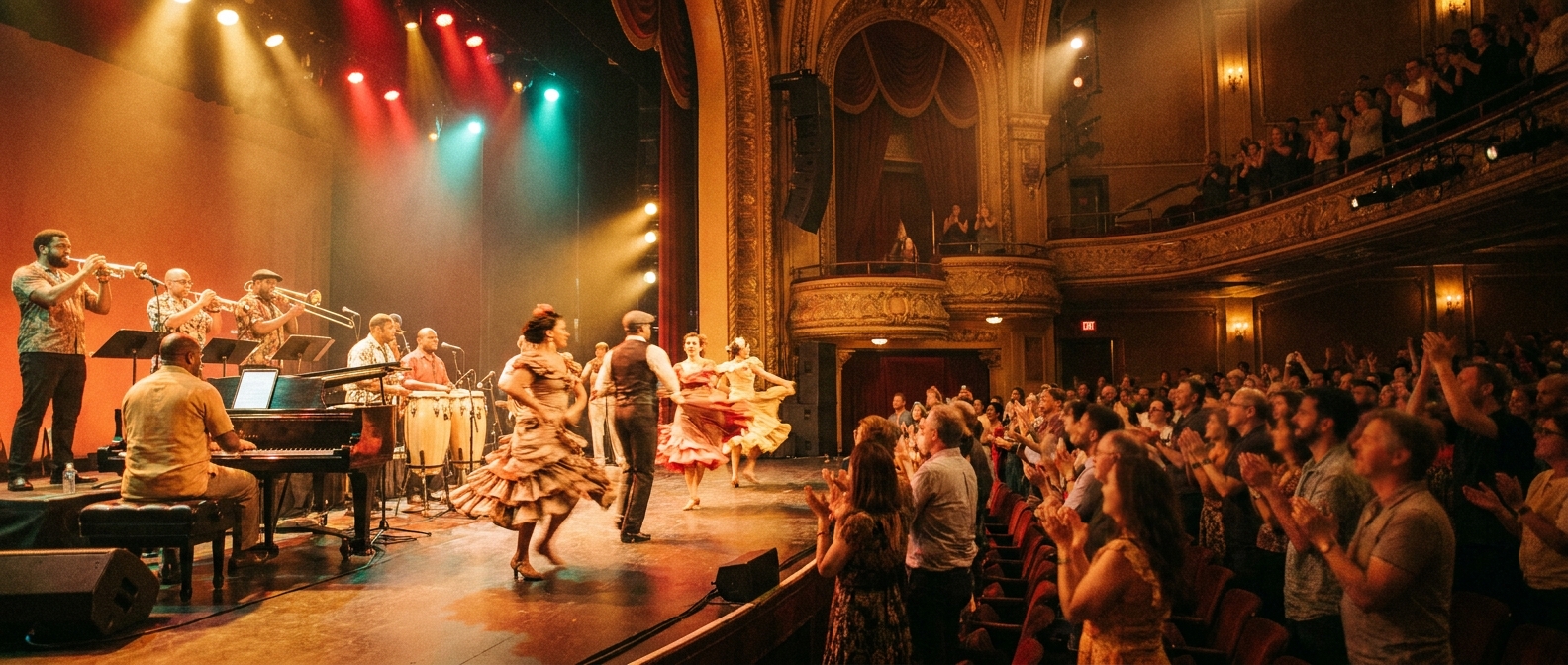
If you have been trying to figure out why the Buena Vista Social Club Broadway musical tour suddenly feels like it is everywhere, you are not imagining it. The frustrating part is that a lot of coverage assumes you already know the album, already know the backstory, and already understand why theater fans are acting like this is not just another jukebox musical. That leaves a lot of normal people wondering a very fair question. Is this actually worth the money, the trip, and the effort of getting a group together? The short answer is yes, for many people it is. But not for the reasons the hype machine usually gives you. What makes this show hit is not just nostalgia. It is the live-band electricity, the Cuban musical roots, the dance-driven staging, and the sense that you are watching a story breathe through musicians on stage, not just hearing famous songs pasted into a plot.
⚡ In a Hurry? Key Takeaways
- This is not just a greatest-hits jukebox show. The music, band, dance, and atmosphere are the main event.
- If you want the fullest experience, choose seats with a clear view of the musicians and go on a high-energy weekend night if possible.
- You do not need to speak Spanish or know the album first, but reading a short background guide before you go will help you catch more of the emotional detail.
Why this show suddenly feels much bigger than Broadway
For a while, Buena Vista Social Club was something people talked about like a New York discovery. Now it is turning into a touring and global event. That changes the conversation.
Once a show moves from “you had to be there on Broadway” to “it is landing in major cities,” people start asking practical questions. Which city will have the best run? Will a touring house feel different from Broadway? Is this one of those shows where being close matters more than being centered?
That is why the buzz is getting louder now. The show is crossing from critic-approved theater success into word-of-mouth event status. And when that happens, ticket demand usually follows fast.
If you want a broader background on why people have become so fixated on it, From Havana To Broadway: Why ‘Buena Vista Social Club’ Is The Global Musical Everyone’s Talking About does a good job of laying out the cultural and theatrical appeal without making it feel like homework.
What makes it different from a typical jukebox musical
This is the part most people want explained clearly.
It is built around musical presence, not just song recognition
Many jukebox shows depend on the audience already loving the songs. They work like a playlist with costumes and plot glue. Buena Vista Social Club has some of that crowd pleasure, sure, but its strength is more physical than that. The show works because the music feels lived-in on stage.
You are not just waiting for a hit number. You are watching how rhythm, voice, movement, and memory shape the whole room.
It is culturally specific in a good way
Some people hear “culturally specific” and worry the show will feel closed off if they do not know the history. In practice, it usually works the other way. The specificity is what gives it flavor, confidence, and emotional pull.
You do not need a degree in Cuban music history. You just need to be open to a story told through sound, movement, and feeling, not only through exposition.
The band matters as much as the cast
This is huge. In some musicals, the orchestra feels hidden away and functional. Here, the musicians are part of what makes the night memorable. If you are the type of person who gets goosebumps from seeing real players drive the energy in the room, this show has a strong chance of landing with you.
Do you need to speak Spanish or know the album first?
No. That is the simple answer.
If someone in your group is worried they will feel lost, tell them this. The emotional information is not carried by language alone. It is in the singing, the arrangements, the body language, the dance, and the atmosphere. Good musical theater communicates beyond subtitles in your head.
That said, a little prep helps. Listen to a few key tracks from the Buena Vista Social Club album before you go. Not because you must, but because familiarity sharpens enjoyment. You will catch recurring moods faster, and some musical moments will hit with more recognition.
If your group includes people who rarely go to musicals, this can actually be an advantage. It often feels less like being asked to follow a dense theater script and more like being invited into a live event with a story flowing through it.
Why audiences are talking about the experience, not just the score
When a show breaks out beyond the usual theater crowd, it is usually because people leave saying some version of, “You just have to feel it in the room.” That is what seems to be happening here.
The conversation is less about one famous song and more about the total package. The crowd energy. The pulse of the musicians. The dance. The warmth. The sense of history without a museum vibe.
That is also why choosing your night and seat matters more than it might for a dialogue-heavy show.
How to choose the right city for the Buena Vista Social Club Broadway musical tour
If you are deciding whether to travel, think less like a tourist and more like a concertgoer.
Pick a city with a theater you already trust
Some touring houses have excellent acoustics and great sightlines. Others are beautiful but less intimate. If you have a local venue where music-forward productions usually sound rich and clear, that is a point in its favor.
Watch the run length
A longer engagement can mean more seat options and less panic buying. A short stop can feel exciting, but it can also push you into overpriced resale tickets or awkward partial-view choices.
Consider the audience vibe
This matters more than people admit. A city with an active dance, jazz, or Latin music crowd may produce a hotter room. You cannot measure this perfectly, but you can often feel it from presale chatter, local arts coverage, and how quickly prime nights go.
How to choose the best night
If your goal is maximum energy, Friday and Saturday nights are the safe bet. Audiences tend to come in ready. That matters in a show fueled by rhythm and communal feeling.
If your goal is value, Thursday evenings and some Sunday performances may give you a better balance of price and quality without sacrificing too much atmosphere.
If you are bringing older relatives, kids, or people with shorter attention spans, a matinee can be easier logistically. Just know that if you are chasing peak electricity, evening shows often have the edge.
How to choose the best seats
This is where people often waste money.
Do not obsess only over dead center
Center seats are great, but this is a music-and-movement show. A slightly off-center seat with a stronger overall view may beat a centered seat that is too far back.
Prioritize seeing the musicians clearly
If the staging in your venue puts the band in visible relation to the action, that matters. You want to read the connection between player, singer, and dancer.
Front mezzanine is often a sweet spot
For many music-heavy productions, front mezzanine or the first few rows of an elevated section can give you the best read on patterns, choreography, and staging. Very close orchestra seats can feel thrilling, but sometimes you lose the full picture.
Avoid extreme side views if staging looks layered
If there are multiple levels, dance lines, or key action spread across the width of the stage, a cheap side ticket can cost you more in missed detail than you expect.
Who is most likely to love it
This show is especially promising for:
- People who care about live musicianship
- Groups with mixed theater experience
- Fans of jazz, Latin music, dance, or music documentaries
- Travelers looking to build a full night around dinner and theater
- Artists and creators curious how a beloved music legacy becomes stage storytelling
It may be less ideal for people who only enjoy musicals when the plot is the main engine or when every lyric is instantly familiar in English.
What the current buzz really means
Buzz does not always mean “best show ever.” Sometimes it just means “hard to get.” Here, the buzz seems to point to something more useful. People are responding to a show that feels human, rhythmic, and communal at a moment when many productions can feel overly engineered.
That does not guarantee every person will adore it. But it does explain why this one is spreading beyond the normal theater bubble.
For artists and theater-makers, that is maybe the most interesting part. The show appears to prove that a musically driven, culturally grounded work can travel widely if the staging turns admiration into experience.
At a Glance: Comparison
| Feature/Aspect | Details | Verdict |
|---|---|---|
| Music vs. plot balance | The emotional weight comes heavily from performance, rhythm, and atmosphere, not just spoken scenes. | Best for people open to a music-led storytelling style. |
| Accessibility for newcomers | You do not need Spanish fluency or deep album knowledge to follow the experience. | Welcoming, especially with a little pre-show listening. |
| Travel-worthiness | Most worth traveling for if you value live band energy, dance, and a strong audience atmosphere. | A smart theater trip pick, especially on a prime weekend night. |
Conclusion
If you have been trying to make sense of the Buena Vista Social Club Broadway musical tour without getting buried under hype, the clearest answer is this. People are not responding only to a famous title. They are responding to a show that feels alive in the room. That is why the current moment matters. The buzz is rising at exactly the point when this stops being just a Broadway conversation and starts becoming a wider touring and global musical theater event. If you are planning a night out, choose a city with a strong venue, an evening performance if you can, and seats that let you take in both the musicians and the movement. And if you are an artist or theater-maker, pay attention to how this production turns cultural specificity and musical integrity into word-of-mouth heat. That is the kind of behind-the-scenes lesson worth studying, and exactly the kind of thinking this community cares about.