Inside Broadway’s ‘Just In Time’ Storm: How A Bobby Darin Nightclub Fantasy Quietly Became 2026’s Most Addictive Ticket
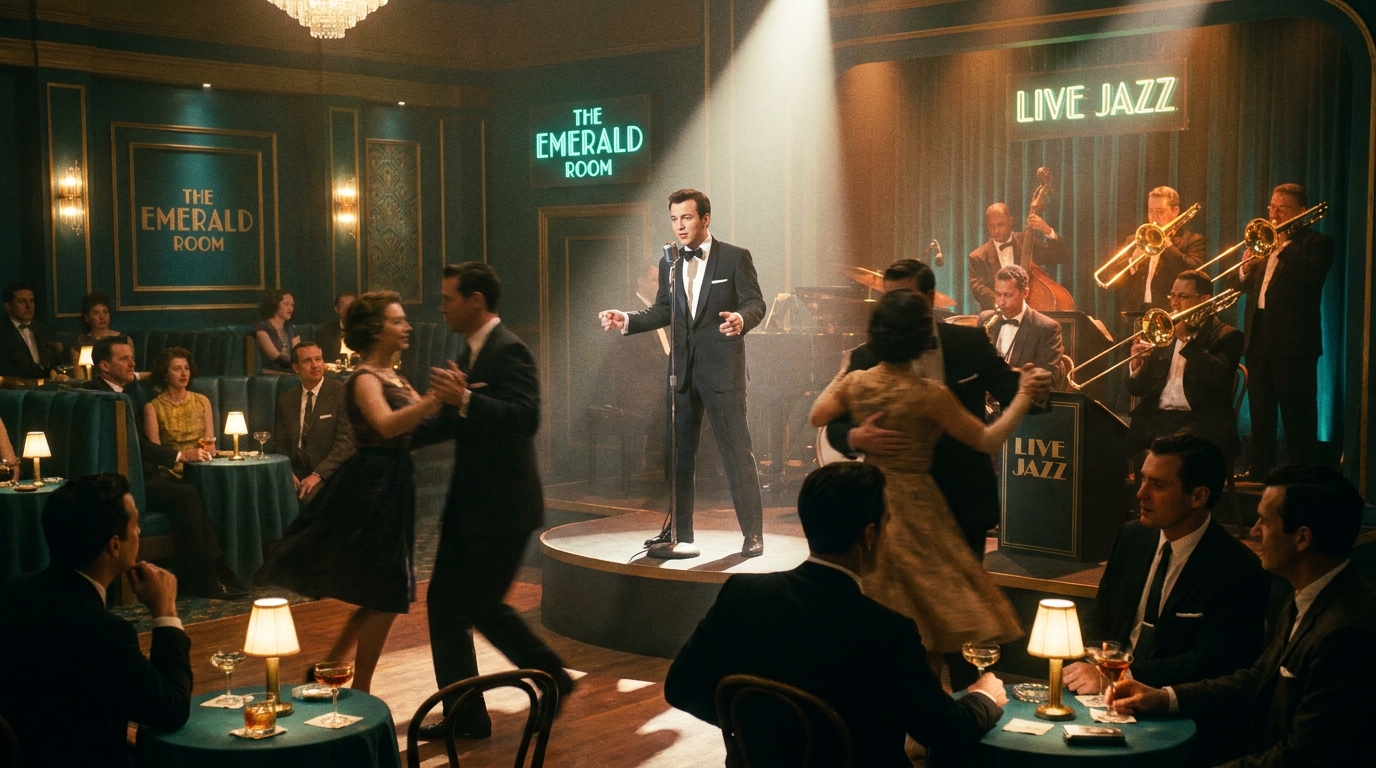
You are not imagining the buzz. A lot of Broadway shows get good reviews, sell well for a few months, and then settle into a normal rhythm. Just In Time does not feel like one of those shows. If you keep hearing from friends, Reddit threads, and theater regulars that people are going back again and again, there is a reason. The short version is this. It is not just a Bobby Darin bio-musical, and it is not just a Jonathan Groff star vehicle. It is a carefully built nightclub fantasy that makes the room feel alive, personal, and a little unpredictable. That combination is catnip for repeat visitors. People are not only returning for the songs. They are returning for a different angle on the room, a different crowd energy, and sometimes a different Bobby. If you are trying to figure out whether this is worth one of your limited New York nights, the answer for most people is yes, with a few smart caveats about seats, expectations, and timing.
⚡ In a Hurry? Key Takeaways
- Just In Time works because it feels less like a standard Broadway musical and more like being folded into a live nightclub event led by Jonathan Groff as Bobby Darin.
- If you can choose, prioritize seats that keep you close to the stage action and go on a night when Groff is scheduled if he is your main reason for booking.
- This is still relatively accessible now, but it has the early signs of turning into a true “wish you’d seen it then” ticket as word of mouth keeps building.
What is actually happening inside Just In Time?
The easiest way to get this show wrong is to picture a polite, linear jukebox biography with period costumes and a few famous songs dropped in at expected moments. That is not the experience people are talking about.
Just In Time uses Bobby Darin as its center, but the real hook is the room itself. The production treats the theater less like a place where an audience quietly watches and more like a nightclub where the performer, band, and crowd are all part of the same machine. That changes everything. It changes the pacing. It changes how songs land. It changes how small glances and throwaway bits suddenly matter.
Instead of feeling boxed into “and now here is the next chapter of Bobby’s life,” the show creates a mood. You are inside a performance world. You are watching a star built in real time. That difference is why people leave talking about the feeling first and the plot second.
Why Jonathan Groff is the engine of the whole thing
He does not just play Bobby Darin. He hosts the night.
Jonathan Groff’s big skill here is not simply singing well or mimicking a famous performer. It is his ability to make a big house feel close. Some actors play a role. Groff, when he is on, seems to pull the audience into a shared event. That is why casual theatergoers are coming out sounding a little stunned. They expected “good Broadway.” They got a room that felt switched on.
Groff has always had a gift for warmth, but this material gives him a different toy to play with. Bobby Darin was slick, charming, restless, and hungry for connection. Groff can tap that without making it feel museum-like. He gives the impression that the night is happening now, not being reenacted for your benefit.
Repeat visitors are chasing live variation
That is a huge part of the return-business story. In a very locked-in musical, seeing it twice often means admiring details you missed the first time. Here, seeing it twice can feel like seeing a different current run through the same wiring. Audience energy matters more. Tiny moments breathe differently. The songs can hit with different temperature depending on where you sit and who is around you.
That live-wire quality is hard to fake, and even harder to market in a neat ad. But it is exactly what turns a one-time ticket into a “should we go again next month?” conversation.
Why the nightclub setup matters more than the Bobby Darin story
This is the part many blurbs miss. The Bobby Darin material is important, of course. His catalog gives the show sparkle, rhythm, swagger, and melancholy. But the immersive design is what makes people feel they got something special.
A nightclub setup lowers the distance between performer and audience. It tells your brain to watch differently. You stop waiting for Act One plot points and start scanning the room. You notice entrances. You clock the band. You feel the ripple when a number starts to build. In a traditional proscenium musical, that extra awareness is often a bonus. Here, it is the point.
This is also why some theater fans are describing the show less as a musical and more as a concert-cabaret hybrid. Broadway has been moving this way in little steps for years, but Just In Time feels like one of the cleaner examples of the form clicking into place for a mainstream audience.
What kind of night out is this, really?
If you want a tidy biography, adjust your expectations
If your ideal musical carefully walks you through every career beat and every personal turning point, this may not be your perfect fit. The show is more interested in atmosphere, charisma, and emotional momentum than in checking every historical box.
That is not a flaw unless you need documentary-level structure from your Broadway night. Think of it this way. This is about Bobby Darin, but it is also about star presence itself. It wants you to feel why a room would fall for him.
If you want to feel part of the event, this is a very good bet
For date night, out-of-town visitors, music-first theater fans, and people who think Broadway can sometimes feel too formal, this one lands especially well. It gives you polish without stiffness. It gives you nostalgia without dust. It gives you a celebrity lead performance without turning the whole evening into a museum around him.
How to choose the right seats
This is where practical advice matters, because immersive or semi-immersive shows can vary a lot depending on where you land.
Best choice for first-timers
If your main goal is to feel the nightclub effect, sit as close to the action as your budget comfortably allows. You do not need the most expensive seats in the house, but proximity helps. This is one of those productions where being able to read the room and catch side interactions adds real value.
Best choice for people who care about stage pictures
If you love taking in the full visual composition, a slightly more centered, slightly backed-up seat can be better than being extremely close off to the side. Some immersive staging rewards nearness. Some rewards balance. Just In Time benefits from both, but if you are very far off-angle, you may lose some of the room-wide effect.
Worth noting about premium prices
Do not assume the most expensive seat automatically gives the best overall experience. In a show built around vibe and connection, a smart mid-premium seat can sometimes beat a pricier one with a trickier angle. Before buying, study the seating map and look for sections that keep you connected to both the stage and the wider room.
Should you go specifically for Jonathan Groff?
If Groff is your main reason for buying a ticket, yes, but do the obvious thing that many people forget to do. Check the schedule as carefully as you can. Broadway schedules change. Planned absences happen. Understudies and alternates can be excellent, but if your heart is set on Groff’s Bobby Darin, do not book blindly.
That said, one reason this show is earning serious affection is that people are not only talking about “seeing Jonathan Groff.” They are talking about the show as a whole event. That is a healthy sign. It suggests the production has more going for it than celebrity casting alone.
Which Bobby Darin do you want to see?
This sounds odd at first, but it is a useful way to think about the ticket.
Some viewers want the dazzling charmer. Some want the vulnerable undercurrent. Some want the pure songbook rush. Some want the sense of watching a driven performer trying to outrun himself. The nice thing about Just In Time is that it seems to have room for all of those versions. The “Bobby” you leave with may depend on your seat, the night’s crowd, and which numbers hit you hardest.
That is another reason repeat visitors keep showing up. They are not only revisiting songs. They are revisiting emphasis.
Why this is becoming one of those “you had to be there” Broadway titles
Every few seasons, a show sneaks into a very specific lane. It is successful, but not yet impossible. It is popular, but still feels discoverable. It has enough momentum that people talk about it with a little urgency. That is where Just In Time appears to be sitting.
Those are often the best moments to go. Not after six more price jumps. Not after social media turns every clip into a tired meme. Right now, while the word of mouth still feels a little personal.
And that matters because “you had to be there” usually does not mean “the plot was revolutionary.” It means the chemistry of cast, room, timing, and audience made the thing feel alive in a way that may not fully survive summary.
Who should skip it, or at least think twice?
Not every hot ticket is for every person.
You may want to pause if you strongly dislike jukebox material, if you need a traditional narrative spine above all else, or if you are sensitive to productions where crowd mood is part of the texture. Also, if your Broadway budget is very tight and you mainly want a huge scenic spectacle or a dense book musical, there may be other shows that give you more of that specific thing.
Just In Time is best approached as an experience piece with a star center. If that sentence sounds appealing, your odds are good.
So, is it worth a precious New York night?
For most people, yes. Especially if what you want is a Broadway evening that feels a little less canned and a little more lived-in. The show’s best trick is not simply reviving Bobby Darin’s music. It is using that music to build a room people want to re-enter.
That is harder than it sounds. Plenty of shows are good. Fewer become a place audiences want to visit again.
Booking tips if you are trying to go soon
Pick the night with intention
If you are flexible, aim for a night when the audience is likely to be fully game. Weekends and high-energy evening performances often amplify this kind of material. Matinees can still be great, but a nightclub-style show tends to thrive when the room feels ready to play along.
Buy for value, not bragging rights
You do not need to spend top dollar to have a strong night. Focus on sightline logic over premium labels. A well-placed seat can beat a flashy one.
Do not wait forever
If you are curious now, that is usually your answer. This is exactly the kind of title that feels “easy enough to catch later” until later becomes harder, pricier, or less magical.
At a Glance: Comparison
| Feature/Aspect | Details | Verdict |
|---|---|---|
| Overall experience | Nightclub-style, music-forward, audience-connected, less rigid than a standard bio-musical. | Great for people who want a live-event feel. |
| Jonathan Groff factor | His warmth and presence appear to be central to the show’s repeat-visit appeal. | A major reason to go, but not the only one. |
| Best use of your ticket budget | Choose seats that keep you connected to both performer and room, rather than blindly buying the priciest option. | Smart mid-to-close seating often offers the best value. |
Conclusion
Just In Time Broadway musical Jonathan Groff Bobby Darin review chatter is getting louder for a reason. This show seems to have found that rare middle ground where a Broadway production is polished enough for first-timers, exciting enough for theater diehards, and loose-feeling enough to inspire return trips. If you have been frustrated by vague praise and glossy ads, the useful truth is simple. The draw is the room. The draw is the feeling. The draw is watching Jonathan Groff and the production turn a theater into a nightclub fantasy that feels personal, not packaged. That is why this matters right now. It is still reachable, but it is inching toward true “you had to be there” status. If you want a practical roadmap, use this one. Pick a night carefully, buy for sightlines and atmosphere, check who is playing Bobby, and go while the word of mouth still feels like a tip from a friend instead of a warning that you are already too late.