Inside Broadway’s Death Note Obsession: How A Manga Cult Favorite Just Became 2026’s Most Unlikely Global Musical Hit
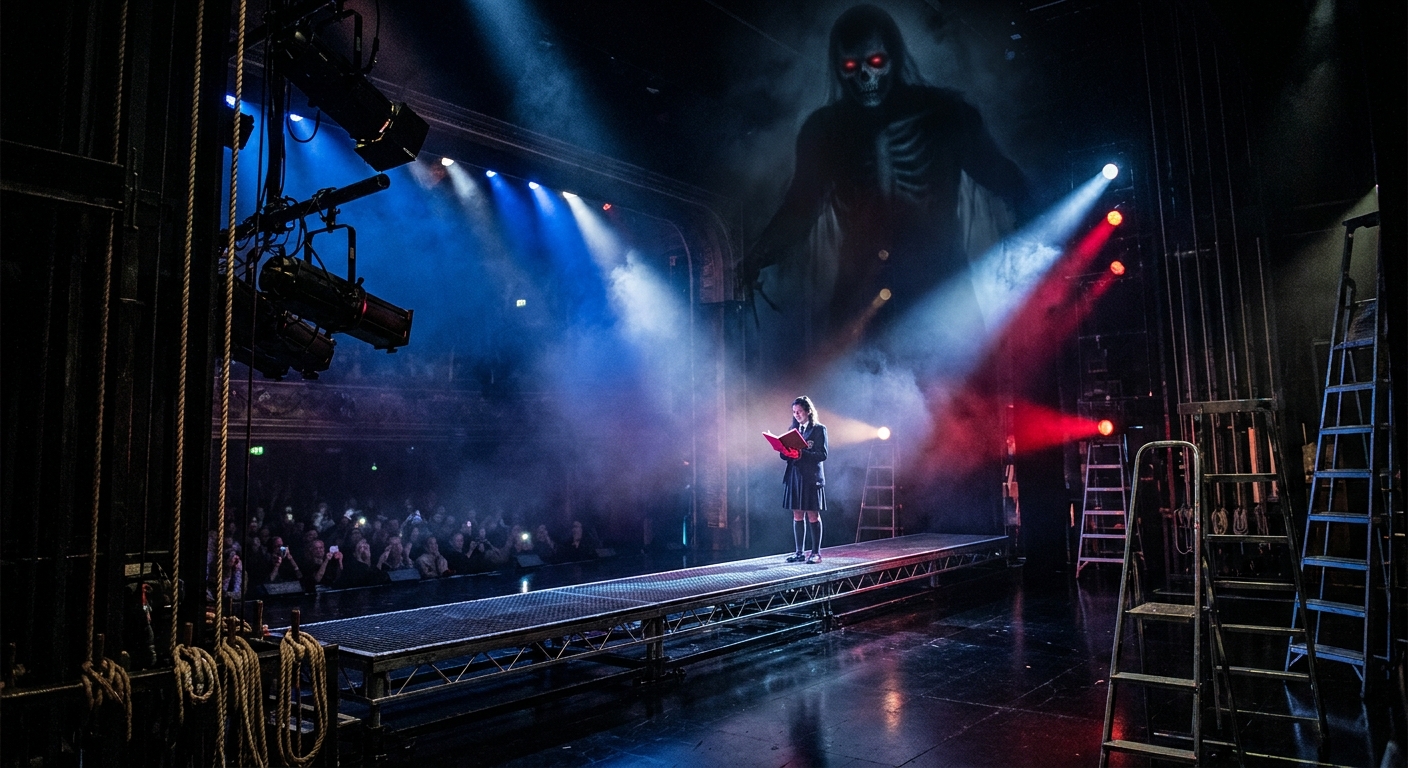
You are not imagining the noise. Trying to figure out whether the Death Note musical West End 2026 buzz is real can feel weirdly hard. One friend says it is the boldest thing in London. Another says it is just anime fandom going feral. Then you go looking for straight answers and find clipped fan videos, hot takes, and resale prices that make you wince. If you are wondering whether this is a genuine theatrical event or just a short-lived online frenzy, here is the plain answer. It is real, it is unusual, and it matters beyond the fan base. Death Note: The Musical has become one of the most talked-about crossover shows of the season because it does something rare. It treats a manga thriller like serious musical material, then stages it with enough speed, style, and confidence that even skeptical theatergoers are paying attention. That does not mean it is for everyone. But it absolutely is not niche anymore.
⚡ In a Hurry? Key Takeaways
- Yes, the buzz is real. Death Note is one of the most talked-about West End musical events of 2026 because it lands with both anime fans and serious theater crowds.
- If you are on the fence, book for strong sightlines and go in expecting a fast, stylized thriller, not a warm traditional musical.
- The value is in the experience. This is the kind of risk-taking crossover hit that can disappear fast or transfer again with changes, so seeing this version now has real bragging rights.
Why this show suddenly feels unavoidable
The short version is simple. Death Note already had a built-in global fan base. The surprise is that the stage version did not stop there.
Instead of playing like a fan-service side project, it has landed as a serious commercial and artistic test. Can a dark Japanese manga about justice, ego, and supernatural power work as a mainstream musical in the West? In 2026, the answer looks a lot like yes.
That is why theater people keep whispering about it. It is not just selling tickets. It is forcing a bigger conversation about what kind of stories the West End and Broadway can carry now.
If you want the wider industry angle, Inside ‘Death Note’ London Takeover: How Anime’s Darkest Antihero Just Became 2026’s Most Important Crossover Bet is useful because it frames the production as more than a fandom moment. It looks like a real crossover stress test for the business.
What the show actually is, if you are not already deep in the fandom
At its core, Death Note is a cat-and-mouse thriller. A brilliant student, Light Yagami, finds a notebook that can kill anyone whose name is written in it. He decides to use it to reshape the world. A mysterious detective, L, starts hunting him. That is the engine.
Put that onstage, and the appeal becomes clear. High stakes. Moral collapse. Big personalities. A built-in chase.
It is not a cozy musical. It is sharp, dark, and propulsive. The songs are there to intensify conflict, not to stop for a big sentimental breather every ten minutes.
Why it works better on stage than many people expect
The material is already theatrical
This story was always about performance. Light performs righteousness. L performs oddness and control. The audience is constantly asked to decide who is smarter, who is lying, and who is still human. That tension plays very well in a live room.
The anime look is used, not copied
The strongest productions understand this. They do not try to turn actors into cartoons. They borrow the visual grammar instead. Sudden shifts in light. Hard contrasts. Stylized movement. Sharp framing. Big emotional turns that still feel precise.
That matters because bad adaptations often get trapped doing imitation. Death Note works when it translates the energy rather than tracing the surface.
The pace saves it
This story dies if it gets slow. The current enthusiasm around the Death Note musical West End 2026 run comes largely from pacing. People are responding to a show that moves like a thriller, not a museum piece. Scenes snap. Tension builds. Songs feel like argument and escalation.
So, is it actually worth the ticket splurge?
For many people, yes. But with one honest caveat. You should go for the ride, not because you want a standard West End comfort meal.
If you love bold staging, dark themes, and musicals that are willing to be weird in public, this is a very good bet. If you want a lush, romantic, easygoing night out, this may not be your show.
Think of it like this. Death Note is less about hummable reassurance and more about tension, design, confrontation, and momentum. That is exactly why theater fans are talking about it.
Who will probably love it most
Three groups seem especially primed for this one.
1. Anime and manga fans who fear a watered-down adaptation
The good news is that the property’s darkness and identity crisis are part of the appeal, not something the production hides from.
2. Musical fans bored by safe programming
If you are tired of revivals, jukebox formulas, and brand-first event theater, this feels fresh. Risky, even. That alone has value.
3. Industry watchers who want a clue about what Broadway may try next
This may be the biggest reason the show matters. It is a live experiment in whether manga, anime aesthetics, and thriller structure can move from subculture to center stage without losing their edge.
What might not work for everyone
It is only fair to say this out loud. Some people will bounce off it.
If you do not enjoy heightened acting styles, morally cold lead characters, or stories where the central pleasure is watching intelligence turn poisonous, you may admire the craft more than love the night.
And if you know nothing about Death Note, you can still follow it, but you may need the first stretch of the show to catch the rules and tone.
That does not make it inaccessible. It just means it asks you to meet it halfway.
Why the West End run matters beyond London
This is the part people often miss when the conversation gets reduced to sold-out seats and social posts. A successful Death Note musical West End 2026 run is not just a local theater story. It is a signal to producers.
It says audiences may be more open than expected to nontraditional source material, especially if the adaptation has a point of view. It says anime is not just merch, cosplay, and streaming hours. It can be prestige live entertainment too.
And it says younger audiences will show up for theater that respects the speed and visual intelligence they are used to from modern media.
What to know before booking
Do not buy only because social media is loud
Hype can be useful. It can also be expensive. Check seat maps, running time, and current cast notes before you spend premium money.
Pick seats for clarity, not status
With a visually busy show, a clean sightline matters more than saying you sat in the most expensive section. Mid-range seats with a full view can beat pricier options with awkward angles.
Go sooner if you are seriously interested
These productions can shift quickly. Cast changes, transfer rumors, and resale spikes all affect the experience. If you want to see the version people are talking about right now, waiting too long can backfire.
What Broadway producers are probably seeing
They are seeing proof that audiences will turn up for genre work if the execution is strong enough. They are seeing that younger ticket buyers do not have the same rigid line between “theater story” and “fandom story” that older gatekeepers often assume.
Most of all, they are seeing that style is not the enemy of substance. In Death Note, style is part of the substance. The cool surfaces, sharp cuts, and heightened mood all serve a story about control, identity, and the danger of believing your own myth.
At a Glance: Comparison
| Feature/Aspect | Details | Verdict |
|---|---|---|
| Story and pacing | A fast thriller built around Light, L, and a supernatural moral trap. Little downtime, strong forward drive. | Best for viewers who like tense, clever, high-stakes storytelling. |
| Style and staging | Anime-inspired visuals, high-contrast design, stylized movement, and a more modern visual rhythm than many traditional musicals. | A major selling point. This is where the show feels genuinely next-gen. |
| Value for money | Potentially pricey, especially during peak demand, but it offers a rare chance to catch a real crossover moment while it is still forming. | Worth it if you want a conversation-starting theater night, not a safe default pick. |
Conclusion
If you have been trying to sort signal from noise, here is the clean read. Death Note is not just this season’s strange online obsession. It is a real case study in how a Japanese manga property has crashed into the Western musical mainstream and made serious theater people pay attention. For the Legend The Musical community, that makes it useful right now. You get an honest, insider-style snapshot of the show West End die-hards are talking about in real time, plus a clearer sense of whether it is worth acting on tonight. More than that, it offers a glimpse of where musical storytelling may be heading next. Anime aesthetics, high-concept staging, thriller pacing, and big moral stakes are no longer living at the edge. With Death Note, they are walking right into the center of the room.