Inside Broadway’s ‘Greatest Showman’ Watch: How A Long‑Promised Movie Musical Is Quietly Becoming 2026’s Biggest Unannounced Bet
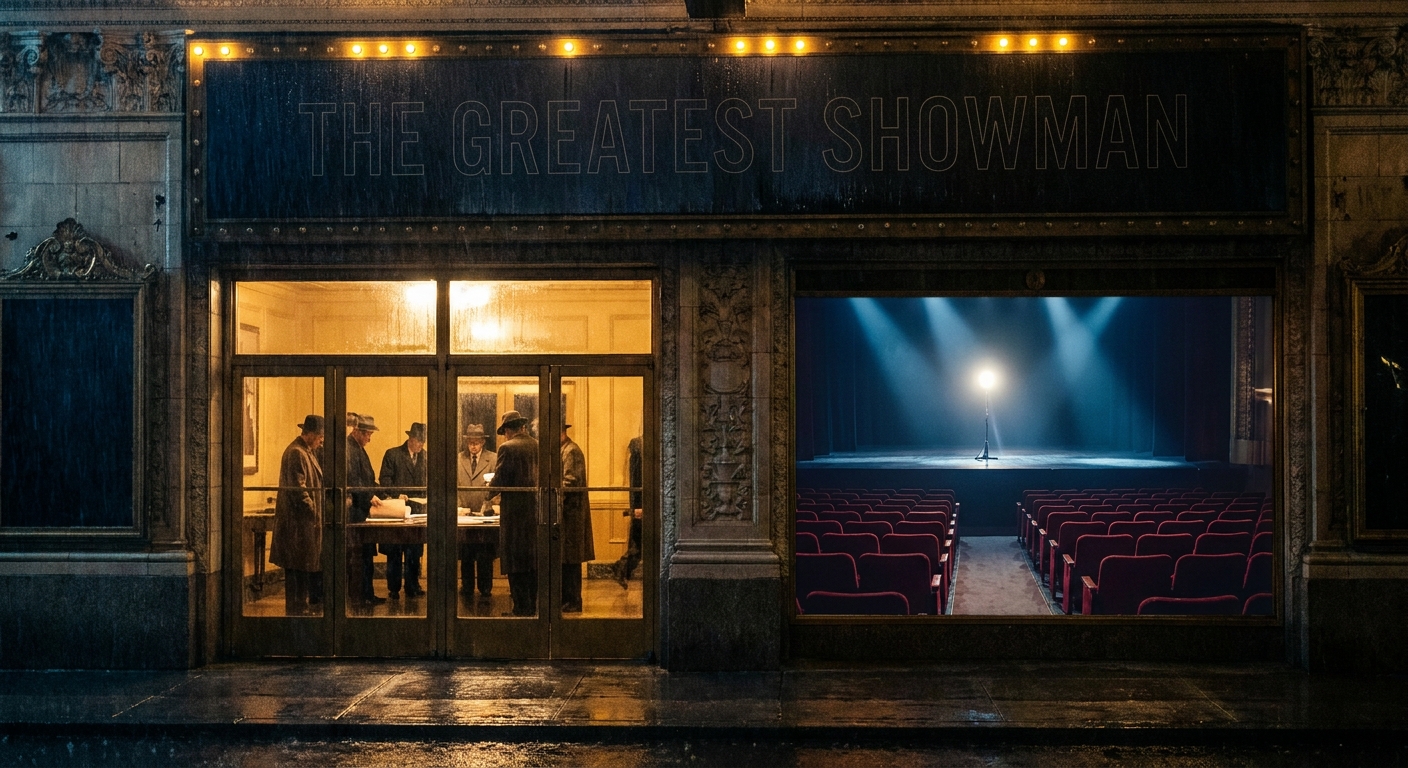
If you feel like the Greatest Showman Broadway musical has been “officially coming soon” for half a decade, you are not imagining things. This project has lived in that annoying zone between real and rumor for so long that even plugged-in theatre fans can lose the thread. One week it is investor chatter. The next week it is an old producer quote getting reposted like breaking news. Then silence again. For regular fans, and even for young artists trying to understand how Broadway actually works, that makes this show strangely hard to read. The short version is this: it looks more real than vaporware, but it is still not at the point where anyone should act like a theater, dates and on-sale timeline are locked. What matters now is not wishful thinking. It is watching for the boring but reliable signs that a big commercial musical is finally moving from development into an actual Broadway launch plan.
⚡ In a Hurry? Key Takeaways
- The Greatest Showman Broadway musical appears to be a live project with real long-term development, but there is still no fully public Broadway booking to treat as final.
- If you want to track whether it is truly heading for 2026, watch for a creative team update, an out-of-town run, workshop casting, theater rumors from trade outlets and a formal lead producer announcement.
- Big movie titles can still stall for years. Brand recognition helps, but cost, rights, script problems and theater availability decide whether hype turns into a marquee.
Why this show has felt “always coming, never arriving”
The confusion around the Greatest Showman Broadway musical is not just fan overreaction. It comes from how commercial theater development actually works.
A studio-backed title can be announced early, sometimes very early, because the owners want to signal intent, attract top talent or test the market. But a public announcement is not the same as a Broadway opening path. A lot has to click after that. You need a script that works on stage, songs that still land outside the movie, a production concept that earns its giant price tag and a theater big enough to hold the thing.
That last point matters more than many fans realize. Broadway is not an app store where you just upload a product when it is ready. You need the right house, at the right time, with economics that make sense.
So, is it real?
Probably yes. Imminent. Not necessarily.
That is the fairest read right now. The project has had enough sustained industry chatter, enough serious attention and enough long-tail confidence from people who follow Broadway producing to suggest it is not just fantasy casting and message-board smoke. But “real project” and “Broadway next season” are two very different things.
If you have been bouncing between half-informed posts and recycled headlines, you may also want to read Inside Broadway’s New ‘Greatest Showman’ Stage Spectacle: How A Movie Musical Obsession Just Became 2026’s Riskiest Fan-Fueled Bet, which gets into why fan certainty and actual production readiness are often miles apart.
The development trail, in plain English
Here is the basic pattern people should keep in mind.
1. A hit movie makes everyone think “easy Broadway transfer”
From the outside, The Greatest Showman looks like a no-brainer. Big songs. Huge built-in audience. Family appeal. Strong visual identity. That sounds like Broadway catnip.
And it is. But it is also exactly why expectations get too simple.
2. The stage version has to justify its own existence
A movie musical is not automatically a stage musical. On Broadway, the creators need to answer a hard question. What is the live-theater version doing that a fan cannot get by streaming the film and singing “This Is Me” at home?
That usually means rethinking structure, reshaping characters, adding songs, changing transitions and solving visual moments that worked because of film editing.
3. Big titles are expensive to build
The Greatest Showman is not a cozy little chamber piece. If it comes in at Broadway scale, it likely needs major physical production, heavy design work, large cast demands, circus-adjacent movement language and marketing spend that matches the brand.
That means investors, producers and creative leaders have to believe not only that it can open, but that it can run long enough to pay back a very large capitalization.
4. Timing can stall even a “sure thing”
Sometimes the issue is not confidence in the title. It is calendar math. A project can be healthy and still sit in traffic because the team is not ready, the market is crowded, another movie adaptation already grabbed the lane or no theater opens at the right moment.
Why it has taken this long
People often assume delay means trouble. Sometimes it does. Sometimes it just means the people involved understand the risk of rushing.
There are a few likely reasons this one has moved slowly.
Stage adaptation is harder than the brand suggests
The film has passionate fans, but its story and tone have always inspired mixed reactions. A stage musical has to decide whether to lean into the emotional uplift, revise the book more heavily or sharpen the historical and character choices. That is not a small rewrite problem. It is the whole engine.
The numbers have to work in a very expensive era
Broadway costs are high. Labor, advertising, design, theater operations and weekly running costs all hit harder than they did a decade ago. Even famous titles now need more than recognition. They need a business plan that survives soft weeks, tourist swings and a crowded season.
Theaters are limited, and not all vacancies are equal
Fans often say, “Well, House X is open, so put it there.” Producers do not think that way. Capacity, location, backstage space, load-in logistics, landlord terms and timing all matter. Some venues are simply a better fit for a large mainstream musical than others.
Why 2026 keeps coming up
The 2026 to 2027 conversation makes sense because several Broadway houses could be in play, and producers across the industry are looking at future openings now, not six weeks before opening night.
That does not mean The Greatest Showman Broadway musical is secretly booked. It means the market conditions are finally starting to line up in a way that makes people talk.
Broadway seasons are a bit like airport gates. A plane cannot land if there is nowhere to park it. When people hear that a major musical house may become available, every dormant mega-title suddenly gets dragged back into the rumor cycle.
What would count as real evidence, not fan smoke?
This is the part to save.
If you want to know whether the Greatest Showman Broadway musical is actually moving, look for these markers.
A named lead producing team speaking on the record
Not vague “in development” language. Not social chatter. You want trade-level reporting with specific producing names and a clear statement of next steps.
A creative team refresh or expansion
If there is a major update on book writer, director, choreographer or design leadership, that is a sign the project is entering a more practical phase.
Workshop or lab casting leaks that feel unusually concrete
Every rumor is not useful. But repeated mentions of workshop activity from reliable theater circles can signal actual forward motion.
An out-of-town run or regional world premiere
This is a big one. Many Broadway-bound musicals need a testing ground. Once a city, venue or production window gets attached, the project becomes much easier to take seriously.
A theater rumor from serious Broadway reporters
A house match does not guarantee an opening. But once credible trade reporters start pairing a project with a specific venue, that is usually more meaningful than fan posts treating every empty theater like a done deal.
What could still stop it?
Quite a lot, honestly.
Movie title recognition lowers one kind of risk. It does not erase the others.
Book problems
If the stage story does not snap into place, no amount of famous songs can fully save it.
Budget pressure
If the production cost gets too high relative to likely weekly grosses, producers may rethink scope, delay or pivot to a different launch strategy.
Competition in the same season
If multiple big tourist-friendly musicals chase the same opening window, one of them may move.
Rights and studio expectations
When a valuable film property is involved, the owners may prefer waiting over compromising. Better to open later than open in the wrong shape.
What makes the project attractive anyway
Even with all those cautions, it is easy to see why this title keeps resurfacing.
It has songs people already know. It has broad age appeal. It has a strong visual brand. It offers obvious marketing hooks. It could sell to tourists, families and fans who do not attend five new musicals a year but will absolutely buy tickets for a title they love.
That is why people keep treating it like a white whale. The upside is huge if the stage version lands.
What fans and aspiring creatives can learn from this
This is bigger than one show.
The Greatest Showman Broadway musical is a good case study in how Broadway hype can get ahead of Broadway process. A title can be well known, commercially attractive and honestly in development, and still spend years without a locked path to opening.
That is useful knowledge if you follow any future adaptation. When the next mega-title gets announced, ask a few simple questions. Who is making it? Where might it try out? What house could fit it? What does the weekly running cost likely look like? Is the adaptation problem easy or hard?
Those questions will tell you more than ten breathless social posts.
My current read on the odds
If you want the plainest possible answer, here it is.
I would put the Greatest Showman Broadway musical in the “credible but not yet bankable” bucket for 2026. It feels more likely than random rumor, less certain than a title already moving through a public out-of-town plan. In other words, worth watching closely, not worth treating as confirmed.
The reason people sound so certain is simple. The property is strong enough that everyone assumes Broadway is inevitable. The reason the story still feels murky is that inevitability and scheduling are not the same thing.
At a Glance: Comparison
| Feature/Aspect | Details | Verdict |
|---|---|---|
| Project status | Long-discussed, plausibly active development, but no fully public Broadway launch package yet | Real enough to monitor, too early to call locked |
| 2026 Broadway chances | Possible if theater availability, budget and development milestones line up in the next few months | Plausible, not promised |
| Best signs to watch | Trade reporting, named producers, workshop movement, out-of-town plans, specific theater chatter | These matter more than comment-thread certainty |
Conclusion
The useful way to think about the Greatest Showman Broadway musical is not “Is it secretly confirmed?” It is “What stage is it actually in, and what would need to happen next?” That shift cuts through a lot of nonsense. Right now, the show looks like a serious long-game bet that could benefit from 2026 theater openings, but it still needs the kind of concrete producing moves that turn a favorite rumor into a real Broadway event. For fans, that means you do not have to choose between blind hype and total cynicism. You can watch the signals. For aspiring creatives, it is a sharp lesson in how a “sure thing” movie title still has to survive development, cost checks and venue timing before it reaches a marquee. And with so much speculation around the 2026 to 2027 season, that kind of grounded context is a lot more valuable than one more recycled “it is definitely happening” post.