Inside Broadway’s New ‘Schmigadoon!’ Shock: How A TV Cult Favorite Just Turned A Tony-Winning Hit Into Fall 2026’s Most Watched Curiosity
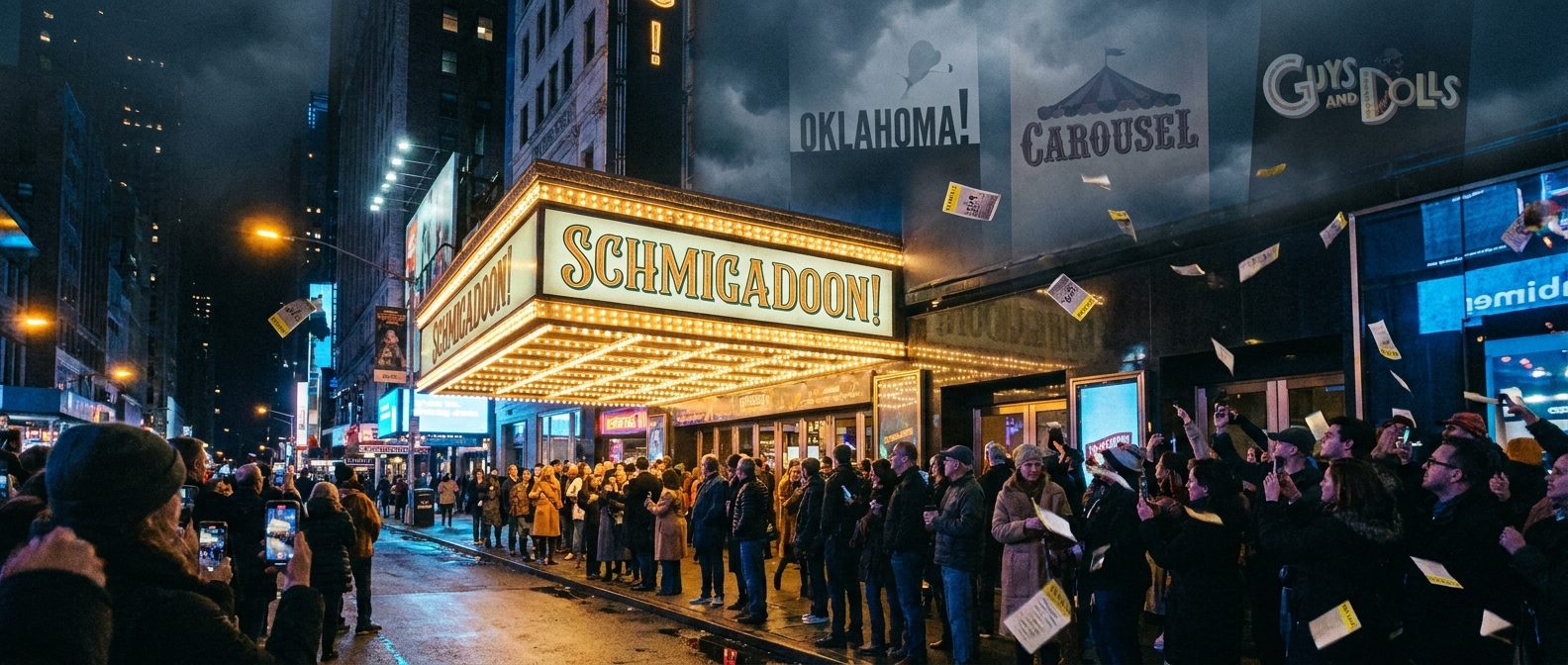
You are not imagining it. The coverage around the Schmigadoon Broadway musical has been oddly thin on the part fans actually care about. Yes, it won big. Yes, celebrities smiled on the carpet. But that does not explain how a cheeky TV parody, built on jokes about old-school musicals, suddenly landed in the same class as Broadway heavyweights. That jump is the real story. It tells us something bigger about where new musicals can come from now, and how audiences are helping pick the winners earlier than ever. If you love theater, stream musicals at home, or just want to spot the next breakout before ticket prices go feral, this matters. Schmigadoon! did not just move from screen to stage. It proved that a show can start as a niche wink, build trust with fans online, sharpen itself through adaptation, and then arrive on Broadway feeling both familiar and brand new.
⚡ In a Hurry? Key Takeaways
- Schmigadoon! broke through because it was more than a TV tie-in. It arrived with strong songs, a clear point of view, and a fan base ready to talk.
- If you want to catch the next one early, watch for workshop buzz, casting that mixes Broadway names with screen recognition, and clips or chatter that keep spreading without paid hype.
- Do not assume every screen-to-stage project is a safe buy. The best value still comes from checking whether the adaptation adds something live theater can do better than TV.
Why this felt so surprising, even to theater people
On paper, the idea sounded risky. Schmigadoon! began as a loving joke. It poked fun at Golden Age musicals while also admiring them. Usually, that kind of project gets treated like a side dish. Fun for fans. Clever for critics. Not exactly the thing expected to become a major Broadway event.
But the Schmigadoon Broadway musical found a sweet spot that many stage transfers miss. It did not come in saying, “Remember the TV show?” It came in saying, “Here is a musical that works on its own.” That is a huge difference.
The TV version had already done one important job. It trained audiences how to read the tone. People knew the show could be affectionate and funny at the same time. So when the stage version arrived, it did not have to waste energy teaching the joke. It could get right to the craft.
How a parody became a real Broadway contender
It stopped being “content” and started being a show
This is the part most mainstream pieces skip. A lot of screen-based theater projects feel like brand extensions. The audience can smell that immediately. If the stage version exists mostly to cash in on a title people already know, word spreads fast, and not in a good way.
Schmigadoon! appears to have made the smarter move. It used the TV identity as a doorway, not a crutch. The creative team treated the stage production like a piece that had to earn its applause from the back row, eight times a week. That means stronger transitions, cleaner comic timing, songs that can land live, and staging that makes the references feel joyful instead of homework.
The material had built-in musical literacy without being snobby
One reason this clicked is that the source already understood musicals deeply. It was not mocking from the outside. It was written by people who know why classic shows work. So when it moved to Broadway, the adaptation had real bones.
That matters because Broadway audiences are tougher than some producers think. They do not just want references. They want payoff. They want songs that stick, characters worth following, and jokes that still work if you miss one old-school nod.
Fans did the early marketing work
The phrase “TV is the new out-of-town tryout” sounds flashy, but here is what it means in plain English. The TV series functioned like a giant public test lab. Fans reacted to songs, characters, pacing, and tone in real time. Creators could see what people loved, what they quoted, and what had enough life to survive in another format.
That does not replace workshops or readings. It does create an unusually rich feedback loop. Before the stage version fully hit, the team already knew which parts had emotional heat and which ones people only liked as a one-episode joke.
What changed when it hit Broadway
A TV musical can cut quickly, jump locations, and lean on camera intimacy. Broadway cannot. Stage has different strengths. It needs shape, flow, and moments that bloom in a room full of strangers.
That is where the big flip happened. The Schmigadoon Broadway musical seems to have recognized that live theater is not just television with louder costumes. It leaned into ensemble energy, bigger visual storytelling, and the fun of watching performers ride a laugh in real time.
If you have been trying to sort out whether the excitement is real or just hype, Inside Broadway’s Schmigadoon! Breakout: How A TV Parody Just Became 2026’s Most Surprising Stage Hit is a useful companion read because it gets closer to the audience experience than the usual award-night chatter.
Why the Tony win matters beyond one show
The win did more than reward a successful adaptation. It gave producers, writers, and fans permission to take hybrid work seriously.
For years, the Broadway vs. screen debate has been framed like a custody battle. One side worries TV waters down theater. The other says Broadway needs fresh pipelines. Schmigadoon! suggests a third option. A screen project can preserve musical language, build fandom, and then evolve into a stage work with its own identity.
That is a hopeful sign, especially at a time when many seasons can feel crowded with familiar brands and overly careful bets. If this model keeps working, we may get more musicals that arrive with audiences already curious, but still have enough artistic guts to surprise them.
What fans should watch for next
This is where the story becomes useful. If you want to spot the next breakout before everybody else is fighting over resale seats, there are patterns worth tracking.
1. Casting that bridges two worlds
Pay attention when a project mixes respected stage performers with actors who bring screen recognition and actual musical chops. That can be a sign the producers are not just stunt-casting. They may be trying to build a show with both ticket appeal and live credibility.
2. Workshop chatter that sounds unusually specific
Vague buzz is cheap. Specific buzz matters. If people coming out of readings keep mentioning one song, one comic sequence, or one performance beat, that is often a healthier sign than broad claims that “it’s amazing.” Real excitement usually has details attached.
3. Fan discussion that keeps going after the first announcement
Lots of projects trend for a day. Very few hold conversation for weeks. Watch whether theater fans, TV fans, and casual audiences are all finding their own reason to care. When that overlap appears, you may be looking at a real mover.
4. Creative teams with affection, not embarrassment
This one is sneaky but important. Some adaptations act a little ashamed of their source. They sand off the weird parts. They try to look more respectable. That usually drains the life out of the piece. The better sign is when the team clearly loves what made the original odd in the first place, and then finds a stage language for it.
5. Early pricing that starts modestly, then creeps
You do not need a spreadsheet to notice momentum. If a show starts with decent availability, then premium dates quietly thicken and social posts become more urgent, that is your cue. If you are curious, buy sooner rather than waiting for a perfect review consensus that may arrive after the price jump.
What this means for the shows you love right now
If you are a musical theater fan, this shift should not make you nervous. It should make you pickier in a good way.
The lesson is not “every streaming property should rush to Broadway.” Please no. The lesson is that the wall between screen and stage is becoming more porous, and that can help good work find an audience faster.
It also means fans have more influence than they sometimes realize. Social chatter, fan edits, cast chemistry clips, workshop whispers, and the sheer staying power of a musical number online can all help shape whether a project gets taken seriously. Not overnight. But earlier than before.
That is why the Schmigadoon! story feels bigger than one title. It is a case study in how taste travels now. A show can start as a niche pleasure, prove its emotional range in public, and then become a serious stage event without losing its odd little heart.
How to tell if a screen-to-stage adaptation is worth your money
Before you buy, ask three simple questions.
Does it offer something live that TV could not?
If the answer is just “now you can see the costumes in person,” save your money. A worthwhile adaptation should use chorus power, stage picture, audience laughter, or vocal force in a way the screen version could not match.
Is the buzz about the work, not just the IP?
If most conversation stays stuck on the title people recognize, that is a warning sign. Healthier buzz moves quickly toward songs, performances, design, and standout scenes.
Does it sound like the show was rebuilt, not copied?
The best adaptations respect the source while changing structure where needed. They understand that different mediums breathe differently.
At a Glance: Comparison
| Feature/Aspect | Details | Verdict |
|---|---|---|
| Source appeal | Started with a loyal TV fan base, but the humor and musical knowledge gave it more depth than a simple spin-off. | Strong foundation if the stage version stands on its own. |
| Broadway adaptation strength | Success came from reshaping material for live performance, not copying episodes beat for beat. | This is what separates a hit from a souvenir. |
| Fan value | Offers a useful pattern for spotting future breakouts through casting, workshop buzz, and sustained chatter. | Very useful if you want to buy early and wisely. |
Conclusion
What happened with the Schmigadoon Broadway musical is not just a cute industry twist. It is a practical clue about where theater may be headed next. The Tony win has people shouting that TV is the new out-of-town tryout, but from a fan perspective, that only matters if you know what signs to watch. Now you do. Look for casting that signals confidence, workshop leaks that mention actual moments instead of generic praise, and social chatter that keeps building because people are responding to the work, not just the logo. That is how you spot the next breakout before prices spike and everyone acts like they saw it coming. More than that, this story gives musical theater fans something better than another tired Broadway-versus-screen argument. It shows that hybrid projects can keep the form moving, bring in new audiences, and make room for fresh voices instead of serving the same half-dozen titles forever.