Inside Broadway’s ‘Paddington’ Earthquake: How A Marmalade-Bear Musical Just Became 2027’s Most Important Family Ticket
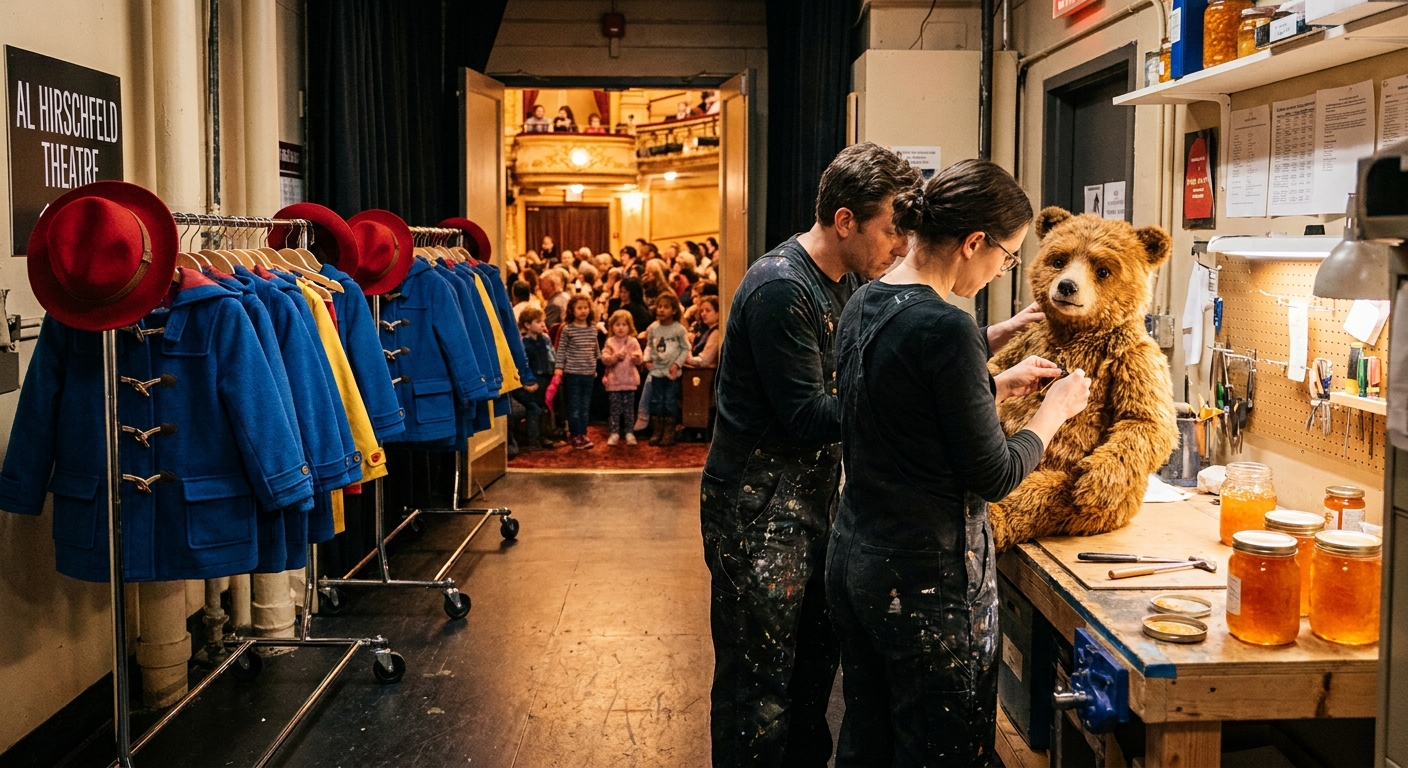
Broadway can feel weirdly closed off when you are trying to plan one big family night. The serious plays seem like homework. The giant movie tie-ins can cost a fortune, and half the time your kids do not even care about the brand. So when people hear about the Paddington The Musical Broadway transfer, the first reaction is often, “Cute, sure, but is this actually the one?” Right now, the answer looks like yes. This is not just a cuddly bear cash grab. It is shaping up as a real test of whether Broadway can welcome first-timers without talking down to them. That matters because Paddington already proved in London that a family-first musical can win over critics, awards voters, and people who do not normally buy theater tickets. If the Broadway move lands the same way, it could become the rare show that changes who feels invited into the room.
⚡ In a Hurry? Key Takeaways
- The Paddington The Musical Broadway transfer matters because it looks built to win both families and serious theater fans, not just one group.
- If you create, teach, or produce theater, study its playbook: clear emotional stakes, visual warmth, strong songs, and an easy on-ramp for nervous newcomers.
- For ticket buyers, the value is simple. This may be one of the safest bets for introducing kids, casual fans, and skeptical adults to Broadway without wasting a very expensive night out.
Why this transfer suddenly feels bigger than one show
Every season, producers talk about “the next generation of theatergoers.” Usually that means a press release, a school matinee, and a lot of wishful thinking.
What people actually want is more practical. Which show can get a family through the door, make the parents feel the money was worth it, keep the kids engaged, and leave everyone wanting to come back?
That is why Paddington stands out. The bear comes with name recognition, yes. But the stronger part of the story is that Paddington as a character already carries a rare kind of trust. He is kind without being bland. Funny without being chaotic. Gentle, but never empty.
Those qualities are gold on Broadway if the creative team knows how to use them.
What London already proved
The big reason insiders are paying attention is simple. Paddington did not just survive in London as a family title. It connected.
That matters more than hype. A lot of “family entertainment” gets sorted into a separate box, as if adults are doing children a favor by sitting through it. Paddington appears to have avoided that trap. It found a mix of sincerity, craftsmanship, and audience warmth that made it feel like a real musical first, and a children-friendly title second.
That is a huge difference.
When a show reaches awards voters and first-time ticket buyers at the same time, it usually means the team solved a hard problem. They made the material legible to newcomers while still giving seasoned theater fans enough detail, wit, and musical shape to care.
The secret sauce is not the bear. It is the design thinking
1. It starts with emotional clarity
Paddington stories are easy to enter because the central feeling is obvious fast. A small outsider arrives. He means well. The world around him is faster, colder, or more complicated than he expected. He makes mistakes. People choose whether to welcome him.
You do not need years of theater literacy to understand that. Kids get it. Adults get it. Tourists get it. Grandparents get it.
Broadway too often confuses accessibility with simplification. They are not the same. Paddington works because the emotions are clear, not because the material is thin.
2. It gives families a “safe first musical” that still has craft
For nervous buyers, safety matters. Not “safe” as in boring. Safe as in, “I know what kind of night I am buying.”
Paddington offers recognizable tone. Warmth. Comedy. likely visual invention. A story world people trust. That lowers the risk for anyone who has been burned by spending premium prices on a show that felt too dark, too long, too abstract, or too grown-up for the kids.
But if the songs, staging, and book really click, theater fans still get what they need. Structure. Timing. Character work. Payoff.
3. It understands that joy is not a minor artistic goal
This is the part Broadway sometimes forgets. Joy is hard to make. Real joy, not forced cheerfulness, takes precision. Rhythm. Taste. Confidence.
A family-centered musical that can create delight without turning sticky or frantic is doing something difficult. If Paddington nails that on Broadway, it becomes more than a hit. It becomes evidence that “feel-good” work can still be artistically serious.
Why this could be 2027’s most important family ticket
Because a family ticket is never just a ticket. It is a first impression.
Think about how many future theatergoers are made or lost on one expensive night. One parent decides Broadway is magical. Another decides it is stressful and overpriced. One kid becomes obsessed with musicals. Another thinks theater is long and confusing.
The Paddington The Musical Broadway transfer has a chance to shape that first impression in the right direction.
If it works, it will not be because it tricked families into attending. It will be because it respected their time, attention, and budget anxiety. It will say, in effect, “Come in. You do not need a degree in Sondheim to belong here.”
What producers, writers, and educators should copy
Make the invitation obvious
People new to theater do not want to feel tested. Paddington is a known doorway. That lowers friction before the curtain even rises.
Layer the experience
The best crossover shows work on more than one level. The child sees adventure. The adult sees emotional generosity, social comedy, and craft. Nobody feels stuck in somebody else’s night out.
Spend on specificity, not just size
Families do notice spectacle, but spectacle alone does not create loyalty. The real win comes from memorable details. A song that sticks. A visual gag timed perfectly. A heartfelt moment that lands cleanly. Those are the things that turn a pleasant outing into word of mouth.
Protect the tone
This may be the biggest lesson. Paddington lives or dies on tone. Too cynical, and you break the character. Too sugary, and adults check out. Too frantic, and the warmth disappears. Getting the balance right is not luck. It is disciplined creative work.
What this means for regular ticket buyers
If you are not in the industry and you just want to know whether this should be on your radar, here is the simple version.
Yes. Very much yes.
This looks like the kind of show families keep saying they want. One that is inviting without being lazy. Familiar without feeling like pure brand recycling. Friendly to kids, but not written as if adults stopped having standards.
That does not mean everyone should rush into the most expensive seats the second they go on sale. Broadway pricing is still Broadway pricing. But in a crowded market, this transfer looks like one of the clearest “starter musical” bets on the board.
Will awards matter?
Of course. Awards attention always helps with visibility, prestige, and audience confidence.
But the more interesting part is what that attention signals. If critics and voters embrace a joy-first family show, it tells the market something useful. It says accessibility and artistic quality do not have to live in separate neighborhoods.
That is a healthier message than the usual split between “important” theater for adults and “fun” theater for everyone else.
The risk Broadway still has to manage
Transfers can lose their balance. A production that feels charming in one city can arrive in New York over-inflated, over-marketed, or priced into absurdity. Family goodwill disappears fast when the whole night starts to feel like a luxury stress test.
So the Broadway team needs to protect three things.
Affordability perception
Even if average ticket prices are not low, buyers need some path that feels reasonable. If families think the show is only for premium spenders, the whole inclusive promise falls apart.
Running time and pacing
Family appeal depends on momentum. Too long, too sluggish, or too padded, and the same people you wanted to welcome will not come back.
Marketing honesty
Sell the show people are actually getting. If it is heartfelt and funny, market that. If it is musically rich, say so. Do not package it like a theme-park souvenir if the work itself has more brains and heart than that.
At a Glance: Comparison
| Feature/Aspect | Details | Verdict |
|---|---|---|
| Entry point for newcomers | A familiar character, clear emotional stakes, and a welcoming tone make it easier for first-time theatergoers to say yes. | Major strength |
| Appeal beyond kids | Its London response suggests the show can satisfy critics and regular theater fans if the craft stays sharp. | Promising crossover |
| Broadway risk factors | High ticket prices, transfer bloat, or mismatched marketing could undercut the family-friendly promise. | Watch closely |
Conclusion
Paddington’s Broadway transfer is not just another cute import. It is hard proof that a joy-first, family-centered musical can move awards voters and a huge swath of first-time theatergoers at the same time. That is why this matters right now. The show offers a live case study in how to build theater that welcomes nervous newcomers without boring the die-hards. For writers, indie producers, educators, and superfans, that is useful immediately. For regular families, it may answer the question Broadway keeps dodging: what kind of musical still makes new people feel like this art form is for them, too? If Paddington sticks the landing in New York, the most important thing it may sell is not nostalgia. It is permission. Permission for more people to walk into a theater and feel, maybe for the first time, that they belong there.