Inside Broadway’s ‘Redwood’ Shockwave: How A Mind‑Bending Forest Musical Just Became 2026’s Most Talked‑About Cast Album
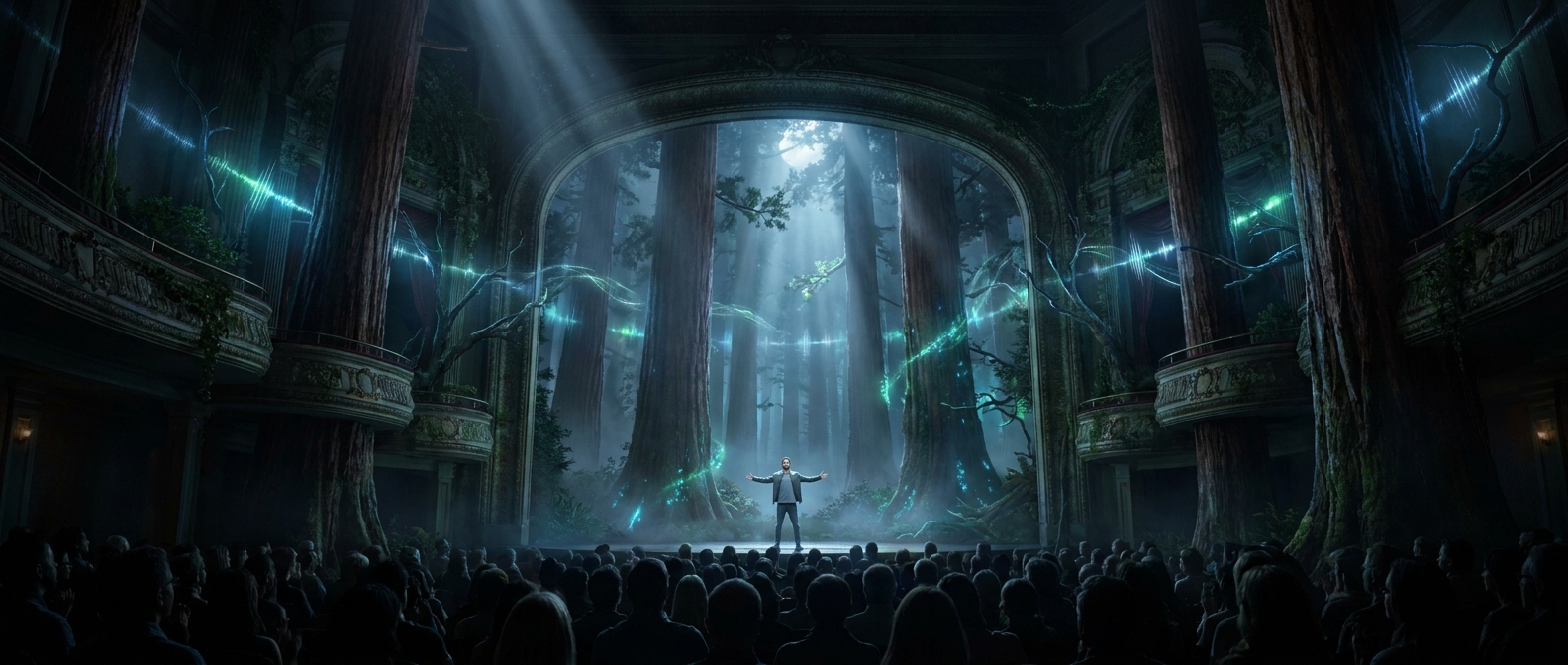
You are not imagining it. Keeping up with new Broadway albums has become exhausting. One week a score is being called life-changing, the next week nobody can remember a single melody from it. If you are trying to figure out whether Redwood is just another wave of fan hype or a cast album that actually earns your time, here is the short answer. This one is worth the listen. Not because every track is a stand-alone pop hit, but because the album captures something a lot of newer musicals are chasing and rarely nail. It feels intimate and huge at the same time. The writing starts with character, then opens into rich acoustic and electronic sound that makes the whole thing feel more cinematic than stagey. That is why this sudden Redwood Broadway cast album review frenzy matters. The album is not only good. It is a useful snapshot of where Broadway music is going next.
⚡ In a Hurry? Key Takeaways
- Redwood is one of the few recent cast albums that justifies the buzz, especially if you like emotionally direct songs with modern production.
- Start with three tracks in a row, one intimate, one transitional, one big-scale, to hear how the score builds instead of judging it off a single viral clip.
- The real value is not just entertainment. This album is a smart example of how stage atmosphere can be translated into headphones without losing personality.
Why this cast album is hitting harder than the usual Broadway buzz
Most overhyped cast albums fall into one of two traps. They either sound flat without the costumes and lighting, or they try so hard to sound big on streaming that the character work gets lost. Redwood avoids both problems.
What makes people keep talking about it is the balance. The score has the closeness of a chamber musical in its quieter moments, then suddenly opens into a wider, more immersive sound. You can hear woodsy acoustic colors, but they are not treated like museum pieces. They sit next to electronic textures, layered ambience and production choices that feel current instead of nostalgic.
That matters because a lot of Broadway writers now know they are not writing only for the theater. They are also writing for the cast album, for playlists, for TikTok clips and for listeners who may never see the stage version. Redwood sounds built with that reality in mind.
What you actually hear on the album
It starts small, then gets cinematic
The smartest thing about the Redwood recording is scale control. The songs do not begin at full blast and stay there. They tend to start with a person, a thought, a wound, a want. Then the arrangement grows around that feeling. By the time the bigger moments arrive, they feel earned.
That is a huge reason the album holds up past track three. It has dynamic range. It knows when to whisper and when to flood the room.
The forest is not just a setting. It becomes part of the sound
This is where the album gets especially interesting for theater fans and creators. The stage version is built around a lush natural world, and the team clearly understood that simply recording singers cleanly in a studio would not be enough. So the sound design thinking bleeds into the album.
You hear air around voices. You hear space used as an emotional tool. Some moments feel rooted and tactile. Others feel suspended, almost dreamlike. That does not mean the record turns into a gimmicky effects demo. It means the environment supports the storytelling.
For non-techies, think of it like this. Some cast albums are basically photographs. Redwood is closer to a well-shot short film for your ears.
The vocals stay human
This may be the album’s biggest strength. Even with the richer production, the performances do not feel polished into plastic. You can still hear breath, urgency and vulnerability. That keeps the songs from becoming anonymous mood music.
When a score wants to sound modern, there is always a risk that it ends up sounding generic. Redwood mostly avoids that by keeping the singers front and center as characters, not just as vocal athletes.
Why Redwood feels like a preview of Broadway’s next phase
If you want one reason this album has become such a talking point, here it is. It is a clean example of mainstream Broadway moving further into hybrid writing.
That hybrid approach means:
- Acoustic instruments still matter.
- Electronic texture is no longer treated like a novelty.
- Songs are expected to work emotionally on stage and sonically on streaming.
- Atmosphere is becoming part of composition, not just orchestration.
Older cast albums often asked you to imagine the production. Newer ones increasingly try to recreate some of the production’s emotional architecture through sound alone. Redwood is very good at that.
For emerging composers and sound designers, that is the big lesson. The line between score, arrangement and environment is getting blurrier. If you can write with all three in mind, your work has a better shot at sticking.
How to listen if you are skeptical of the hype
Do not shuffle it first
This is not the best kind of album for random sampling. The score appears to be built around emotional and sonic escalation, so shuffling undercuts one of its strengths. Give it a straight listen the first time.
Listen on headphones if you can
You do not need expensive gear. Just use headphones instead of a phone speaker. A lot of the album’s appeal lives in texture, layering and sense of space. Tiny speakers flatten that immediately.
Judge the transitions, not just the “big” songs
Anyone can clip a belted climax for social media. What separates a durable cast album from a briefly trendy one is how it moves between songs and how it builds its world. With Redwood, those in-between moments are part of the point.
Does it work if you have not seen the show?
Mostly, yes. That is another reason this album matters.
Some cast recordings feel like souvenirs. Nice if you were there, confusing if you were not. Redwood sounds more welcoming to first-time listeners. You may miss some visual context, of course, especially if the stagecraft is a major part of the live experience, but the emotional path is still clear enough on record.
That makes the album easier to recommend than many new Broadway releases. You do not have to do homework first.
Where the album may not work for everyone
It is not perfect, and saying that actually helps clarify who should press play.
If your idea of a great cast album is wall-to-wall traditional show tunes with instantly hummable hooks, Redwood may feel moodier and more texture-driven than you want. Some listeners will hear sophistication. Others will hear less immediate melodic payoff.
Also, if you only care about songs that function as fully separate singles, a few tracks may feel more powerful in the album’s full sequence than on their own. That is not a flaw so much as a design choice, but it is worth knowing in advance.
What writers, musicians and theater-makers can learn from it this week
1. Build a world, not just a song list
The album works because it has a strong sense of place. That place is not merely described in lyrics. It is built into the sound itself.
2. Use contrast on purpose
Intimate verses and larger sonic releases are not random. They create emotional motion. If every song starts huge, nothing feels huge.
3. Protect the human voice
Modern production can make a recording exciting, but only if the listener still believes the person singing. Character first. Shine second.
4. Think about the album while making the show
Redwood feels like a project that understood the cast recording was not an afterthought. More teams should start there. If the show is likely to live online and in headphones, plan for that early.
So, is the buzz earned?
Yes, with one small asterisk. The buzz is earned if you are judging Redwood as a modern Broadway cast album, not as a hunt for three instant standards to sing in the shower forever.
Its strength is not old-school tune-stuffing. Its strength is immersion, emotional pacing and smart sound. That is why this Redwood Broadway cast album review conversation has legs. People are reacting not just to a set of songs, but to a recording that feels aligned with how audiences listen now.
At a Glance: Comparison
| Feature/Aspect | Details | Verdict |
|---|---|---|
| Songwriting approach | Character-focused writing that grows into larger, cinematic arrangements instead of chasing constant anthem mode. | Strong and durable |
| Production style | A mix of acoustic warmth, electronic texture and spatial detail that helps suggest the forest setting in audio form. | Best heard on headphones |
| Replay value | Works best as a full-album experience, though not every track is built as a stand-alone showstopper. | High for album listeners, moderate for singles-only fans |
Conclusion
If you have been burned by flashy Broadway hype lately, Redwood is one of the safer bets to spend an hour on. Its newly available cast album is a clear real-time example of where mainstream Broadway composition is headed. You can hear the hybrid acoustic-electronic mix, the intimate character writing that opens into cinematic sound and the way staging ideas can carry over into a recording without feeling forced. That is useful whether you are just looking for your next great listen, planning a theater trip this week, or trying to write, arrange or design better work of your own. Not every new score earns the noise around it. This one mostly does, and that is exactly why it is worth your attention now.