Inside Broadway’s Robot Love Story Phenomenon: How ‘Maybe Happy Ending’ Quietly Became 2026’s Most Human New Hit
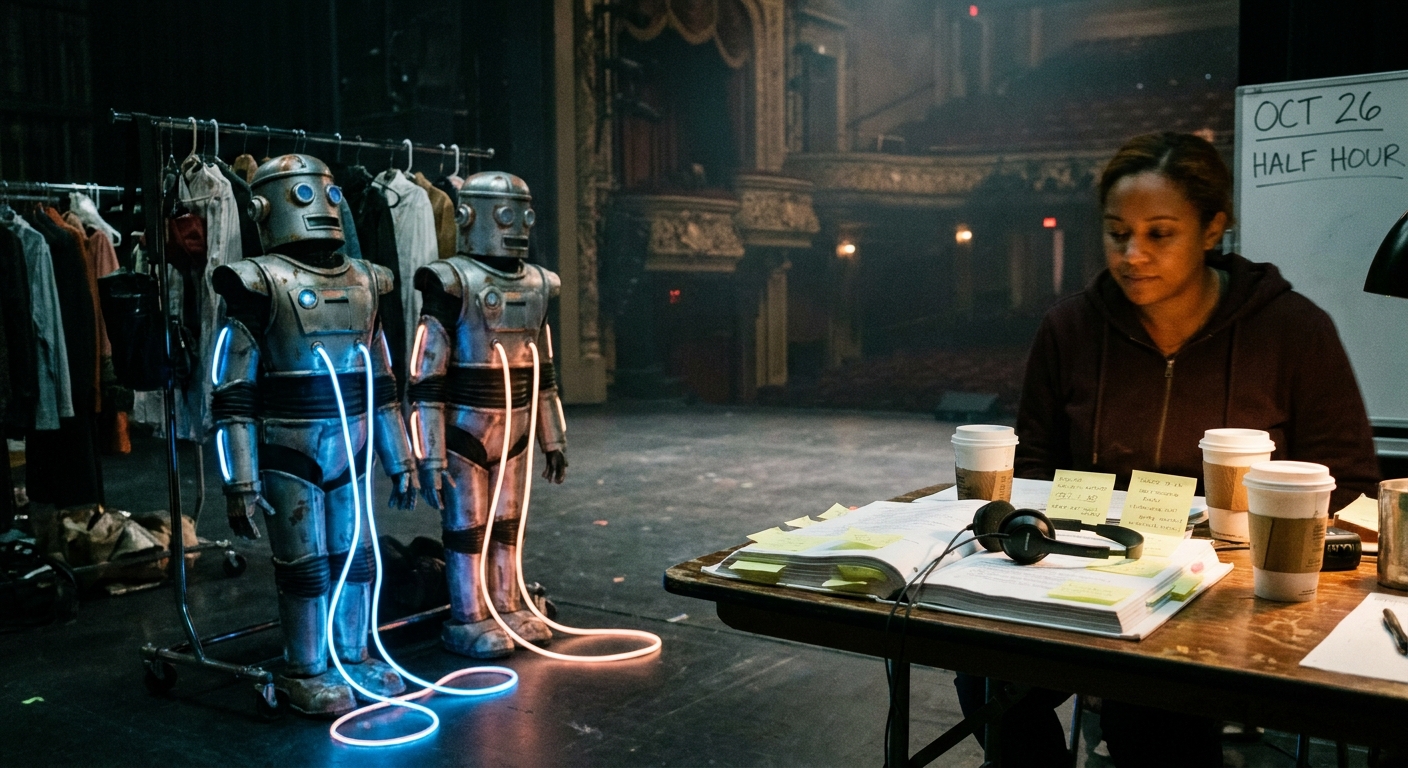
If you are tired of hearing that Maybe Happy Ending is “small,” “sweet,” or “surprisingly moving,” you are not alone. That kind of praise sounds nice, but it does not explain why this show stuck when so many original musicals vanish after a few good reviews. If you are a writer, performer, producer, student, or regional theater planner, the real question is simple. What, exactly, made this robot love story connect so deeply that it turned into one of Broadway’s most human hits? The useful answer is not just “people cried.” It is that Maybe Happy Ending solved several hard industry problems at once. It gave audiences something fresh without making them work too hard. It looked expensive without feeling bloated. It built devotion through craft, not hype. And behind the scenes, it proved that quiet shows can still grow legs if every choice is clear, specific, and emotionally honest.
⚡ In a Hurry? Key Takeaways
- Maybe Happy Ending became a hit because it mixes original world-building with simple, easy-to-feel human stakes.
- For makers and theaters, the lesson is to build shows around clarity, repeatable design, and castable roles, not just a clever concept.
- Its success matters because it shows an original musical can win awards, tour, and grow by word of mouth without built-in movie or jukebox branding.
Why this show broke through when so many originals do not
Broadway says it wants original work. Then the market often rewards familiarity. That is the trap a lot of artists are staring at right now.
Maybe Happy Ending got through that trap by being original in form, but familiar in feeling. On paper, it is a gentle sci-fi romance about obsolete helper robots. That could have felt chilly, niche, or too precious. Instead, the show uses that setup to tell a story audiences already understand. Loneliness. Aging out. Memory. Love that arrives late. The fear of being replaced.
That is the first big behind-the-scenes lesson. The concept is new. The emotional operating system is not.
People do not leave the theater talking about “world-building” first. They talk about how the show made them feel. The robots are the wrapper. The heartbreak is the product.
The hidden engine: precision
One reason the show has had such staying power is that it does not waste audience attention. Every detail feels placed, not piled on.
The script knows its scale
This is not a musical trying to impersonate a superhero movie. It does not need to fill every second with noise. The writing trusts silence, repetition, and small discoveries. That gives viewers room to lean in.
For creators, that is a practical lesson. “Small” does not mean underbuilt. It means tightly built. You can feel the difference.
The score does emotional heavy lifting
The music does not just decorate scenes. It carries subtext. That matters because a premise like this can become too cute very fast if the songs do not deepen it.
Instead, the score helps the audience cross a tricky bridge. We start by noticing the charm of these robots. We end by recognizing ourselves in them. That turn is where the show earns its tears.
The design supports the story instead of fighting it
When people talk about the Maybe Happy Ending Broadway behind the scenes story, one of the smartest things to notice is how the visual language works. The production has style. It has tech. It has atmosphere. But it never feels like the gadgets are begging for applause on their own.
That balance is hard. A show about futuristic machines can easily tip into a design demo. This one keeps the tech in service of mood, pacing, and character. Audiences remember the feeling of the world, not just the mechanics of it.
Word of mouth was not luck
A lot of people describe the rise of Maybe Happy Ending like a miracle. It was quieter than the usual giant launches. It did not arrive with the kind of built-in fan machine that movie titles and pop-song catalogs get. So when it kept growing, the story became “look at this underdog.”
But word of mouth is usually not magic. It is structure.
It is easy to recommend
The best word-of-mouth shows are often the easiest to describe in one breath. “It’s a love story between robots” is instantly clear. Better still, that sentence creates curiosity. Then the emotional response closes the sale.
People told their friends two things. First, “the premise is unusual.” Second, “I cried.” That is a powerful combo.
It leaves people with a personal stake
Strong repeat business often comes from a show making people feel seen in a way they did not expect. This one reaches tech workers, theater diehards, older audiences, younger fans who like anime and speculative fiction, and people who normally avoid “big Broadway” because they assume it will feel overprocessed.
That spread matters. The fan base is not one-note. It is layered.
It rewards conversation after the curtain
Some shows are fun in the room but evaporate on the subway home. Maybe Happy Ending seems to do the opposite. Once the plot settles in your mind, the themes get bigger. Was it about love, or memory, or disposability, or modern loneliness? Yes. All of it.
That gives audiences a reason to keep talking, and talking keeps a show alive.
Long-tail casting helped the run last
This is one of the most useful lessons for actors and producers.
Some hits depend so heavily on one launch cast that the whole machine weakens when replacements come in. Maybe Happy Ending has benefited from a structure that supports long-tail casting. In plain English, the roles are specific enough to be exciting, but not so locked to one celebrity identity that the show stops functioning after the first wave.
The roles are actor bait in the best way
Performers want roles that let them be precise, funny, vulnerable, and musically expressive. This show offers that. The central performances require control, not just volume. They ask for timing, restraint, and emotional accumulation.
That means future casts have real reasons to want in. And when actors want in, the talent pipeline stays healthy.
Replacement casting becomes an event, not a warning sign
That is a big deal for sustainability. If a show can welcome new performers without making audiences fear decline, the run gets stronger. Regional theaters and tour producers should pay close attention here. Castability is not a boring business term. It is survival.
What regional theaters and schools should copy, and what they should not
It is tempting to see a hit and immediately chase the surface. Cute robots. Retro-future visuals. Tender sci-fi. That would miss the point.
Copy the architecture, not the wallpaper
The architecture of Maybe Happy Ending is what matters:
- A high-concept premise explained in one sentence
- Low-confusion storytelling
- A design package that can scale
- Roles actors are hungry to play
- An emotional payoff that lands across age groups
If you are planning a season, that checklist is more useful than asking, “What’s the next robot show?”
Do not confuse gentleness with passivity
This is another common mistake. Because the show is tender, some people talk about it as if it simply drifted into success. It did not. It is highly controlled work. The pacing, tone, and visual discipline are doing serious labor.
Soft does not mean shapeless.
Why the industry is paying attention
The bigger reason this show matters in 2026 is that it answers a nervous industry question. Can a non-IP original still become a real, durable hit?
Maybe Happy Ending suggests yes, but only under certain conditions.
Condition one: originality must feel welcoming
Audiences will try something new if they can quickly tell what kind of emotional ride they are buying. This show does that almost immediately.
Condition two: cost and elegance must line up
A sustainable hit does not just need applause. It needs a production model that can keep making sense over time. One reason this musical has become such an interesting case study is that it looks rich and complete without carrying the same creative sprawl some giant productions do.
Condition three: the fan relationship has to feel earned
People can smell corporate franchise energy from a mile away. This show feels discovered, not assigned. That gives fandom a different flavor. More protective. More evangelical. More loyal.
Practical lessons for writers, actors, and producers
For writers
If your premise needs a five-minute apology before anyone understands it, fix that first. Maybe Happy Ending shows how far you can go when the setup is crisp and the emotions are layered.
Also, write parts actors can fall in love with. Not just “good songs.” Parts with playable shifts.
For actors
Watch what kind of performances this material rewards. Subtlety. Listening. Precision. Control. In a market crowded with belt-heavy showcases, there is career value in becoming excellent at intimate musical storytelling.
For producers and artistic directors
When you evaluate new work, ask different questions. Not “Is it huge?” Not “Can we market it off a title people know already?” Ask this instead. Can someone explain it in one sentence? Does the design support future productions? Will replacement casting stay attractive? Does the show create post-show conversation?
Those are the behind-the-scenes questions that often matter more than initial buzz.
At a Glance: Comparison
| Feature/Aspect | Details | Verdict |
|---|---|---|
| Concept | Original sci-fi romance with a premise audiences can grasp fast | Fresh, but accessible |
| Production model | Elegant design, strong atmosphere, smaller-scale storytelling with premium finish | Good template for sustainability |
| Audience growth | Built through emotional response, clear recommendation value, and cast longevity | Word of mouth done right |
Conclusion
Maybe Happy Ending is worth studying because it is not just a nice surprise. It is a working model. Right now, the theater world is anxious about what gets made, what gets funded, and what can actually last. This show sits right in that pressure point. It is original, not movie-based, not jukebox-driven, and not built like a corporate content product. Yet it is winning major awards, traveling well, and creating real loyalty. That makes it more than a hit. It makes it evidence. If you are building new work, planning a season, or trying to shape a career, the behind-the-scenes lesson is clear. Specificity beats noise. Emotional clarity beats trend-chasing. And sustainability often starts with a show knowing exactly what it is, then doing that beautifully night after night.