Inside ‘CrazySexyCool’: How The TLC Musical Is Quietly Rewriting The Rules Of The Jukebox Bio-Show
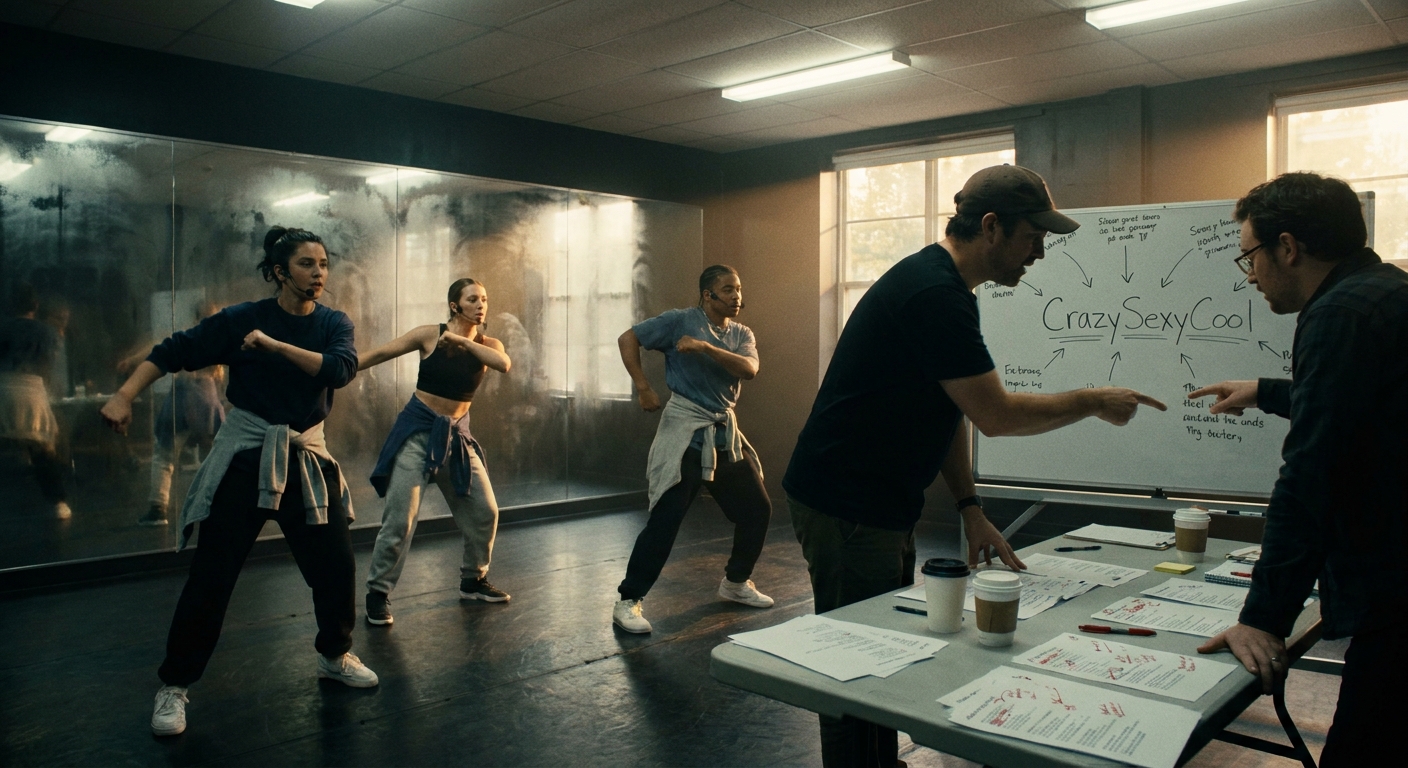
If you have ever walked out of a jukebox musical feeling like you just sat through a live playlist with wigs, you are not alone. That frustration is real. Too many of these shows treat famous songs like checkpoints, not storytelling tools. A hit starts, the crowd cheers, and the plot freezes until the chorus ends. That is exactly why the CrazySexyCool TLC jukebox musical matters right now. It is not arriving as a polished museum piece years after the fact. It is being shaped in public, with all the risk and possibility that comes with that. For fans, that means a chance to see whether a biomusical can honor songs people already know by heart while still making room for conflict, personality, loss, business pressure, and the chemistry that made TLC more than a chart machine. For creators, it is a useful test case in how to make the music carry the drama instead of interrupting it.
⚡ In a Hurry? Key Takeaways
- The CrazySexyCool TLC jukebox musical stands out because it appears to be built around the group’s real tensions, business struggles, and bond, not just a chain of familiar songs.
- If you are judging whether a biomusical works, watch how each song changes the scene. A good one moves the story forward instead of stopping it for applause.
- This matters beyond TLC fandom. It gives writers, teachers, and indie producers a live example of how to shape pop catalog material into actual drama.
Why people are burned out on jukebox musicals
The basic problem is simple. The formula got lazy.
A lot of bio-shows start with great material. The artist had a wild life, a clear voice, real conflicts, and songs people still love. Then the stage version sands everything down into a neat rise-fall-redemption arc. You get childhood struggle, sudden fame, a fight in act two, then a big emotional medley. It works just well enough to sell tickets, but not well enough to feel alive.
That is why the CrazySexyCool TLC jukebox musical has people paying attention. TLC’s story does not fit neatly into a generic music-biopic mold. It includes creative friction, industry exploitation, image politics, friendship, loss, and a very specific cultural moment in 1990s pop and R&B. If a show gets that right, it has more than nostalgia going for it.
What makes TLC a stronger fit for the stage than many pop acts
Some artists have huge songs but not a naturally dramatic group story. TLC does.
You have three distinct public identities. Three different energies. Three women who were sold as a unit but experienced fame in personal, uneven ways. Add in battles over money and control, and you already have the bones of real theater.
That matters because stage drama needs contrast. It needs people wanting different things at the same time. TLC’s history gives a writer plenty to work with without having to invent fake conflict.
The personas are built for character work
“Crazy,” “Sexy,” and “Cool” are not just branding words. On stage, they can become a clean storytelling device. They help a broad audience quickly track how each member fits into the group, and how those labels help and limit them.
That is smart theater if used well. The labels pull the audience in fast. The trick is showing the human beings behind them.
The music already carries emotional range
TLC’s catalog is not one-note. There is swagger, flirtation, anger, social commentary, vulnerability, and grief. That gives a musical more room than a catalog built only on party tracks.
When a jukebox show really works, the songs do not feel dropped in. They feel like the moment in the story when speaking is no longer enough. TLC’s material has a real shot at doing that.
How this show could quietly rewrite the rules
Not by blowing up the whole form. By fixing the part that usually feels fake.
The most promising thing about the CrazySexyCool TLC jukebox musical is the sense that it may center process, pressure, and consequence, not just fame. That sounds small, but it changes everything. Instead of treating songs as rewards for the audience, the show can use them as arguments, turning points, or emotional releases.
That is the difference between a concert with dialogue and a musical.
Rule one: songs must do a job
In weaker bio-shows, everyone can sense the machinery. “Here comes the hit single.” The scene bends itself into position, and then the number happens because the number has to happen.
A stronger show asks a tougher question. Why this song, here, now?
If “No Scrubs,” for example, lands in a moment about agency, self-definition, or the way the group’s image was packaged and sold, it becomes story. If it shows up only because the audience wants it, that is karaoke with better lighting.
Rule two: conflict has to survive the chorus
Many jukebox musicals lose all their dramatic tension the second a beloved track starts. Everyone smiles. The conflict disappears. Then the song ends and the plot resumes.
If CrazySexyCool avoids that trap, it will feel fresh even if the overall shape still looks familiar. The best musical scenes let tension keep rising inside the number. Characters can disagree while singing. They can pursue different goals in the same song. They can win, lose, or reveal something before the applause lands.
Rule three: the business story cannot be treated like boring paperwork
This is where a lot of music bio-shows chicken out. Contracts, royalties, label power, image control, and money fights are often pushed to the side because producers fear they will slow things down.
But in TLC’s case, those issues are central to the story. Skip them, and you gut the drama. Keep them in, and the show starts saying something bigger about how pop fame works, especially for women and especially for Black artists in a machine built to profit from them.
Why covering it now matters more than reviewing it later
Once a show becomes a hit, the conversation usually hardens fast. People pick sides. It is either “important” or “overrated.” The more useful moment is earlier, while the thing is still becoming itself.
That is what makes the CrazySexyCool TLC jukebox musical worth watching now. We get to see a major biomusical being built in real time. We can ask not just “Is it good?” but “What choices is it making, and why?”
That is valuable for fans, but also for anyone who works around storytelling. Writers can study structure. Educators can use it to talk about adaptation. Indie producers can look at how known songs are turned into scenes with stakes.
What fans should watch for when the show develops
You do not need to be a theater expert to spot whether this works. Just pay attention to a few practical things.
Does each member feel like a full person?
If one person becomes the “serious one,” another becomes the “wild one,” and the third becomes “the sweet one,” that is a warning sign. Real character writing gets messier than that.
Do the songs reveal something new?
A good stage version can make you hear a familiar track differently. Same lyrics. New context. Suddenly the song is not just a radio memory. It is a choice, a wound, a demand, or a turning point.
Does the show trust the painful parts?
TLC’s story includes joy, style, and huge pop energy. It also includes hard truths. If the musical rushes past those truths to get to the next crowd-pleaser, it will fall into the same old trap.
What writers and producers can learn from it
This is where the show becomes more than fan service.
If CrazySexyCool lands, it will offer a working model for anyone trying to adapt song catalogs for the stage. Start with tension, not the playlist. Build scenes where songs solve a dramatic problem. Let audience recognition be a bonus, not the engine.
That lesson matters for small companies as much as Broadway-scale producers. In fact, smaller teams may have even more to learn from it because they cannot hide weak storytelling behind expensive spectacle.
The best biomusicals are not built by asking, “How do we fit all the hits in?” They start with, “What is the argument of this life?” Then the songs are used to sharpen that argument.
At a Glance: Comparison
| Feature/Aspect | Details | Verdict |
|---|---|---|
| Use of hit songs | The key test is whether TLC songs grow out of conflict and character, rather than appearing as expected crowd moments. | Promising, if the show keeps story first. |
| Biographical depth | TLC’s real history offers strong material, including friendship, fame, business pressure, image politics, and loss. | Much richer than the average rise-and-fall music bio-show. |
| Value beyond fandom | The show can serve as a live case study for writers, teachers, and producers studying adaptation and musical storytelling. | High value, even for people who are not die-hard theater fans. |
Conclusion
The real excitement around the CrazySexyCool TLC jukebox musical is not just that TLC’s songs still hit. It is that this show has a chance to prove a jukebox biomusical does not have to settle for a thin script wrapped around familiar choruses. Covering it now lets our community watch that experiment as it happens, before success or backlash turns it into a fixed story. That makes this more than entertainment news. It is a chance to see whether a major new bio-show can break the tired formula, and a useful lesson for fans, writers, educators, and indie producers who want to understand how pop songs can become real drama instead of filler between bangers.