Inside Jane Eyre’s Surprise 2026 Comeback: How A 30‑Year‑Old Gothic Musical Just Became London’s Most Talked‑About Revival
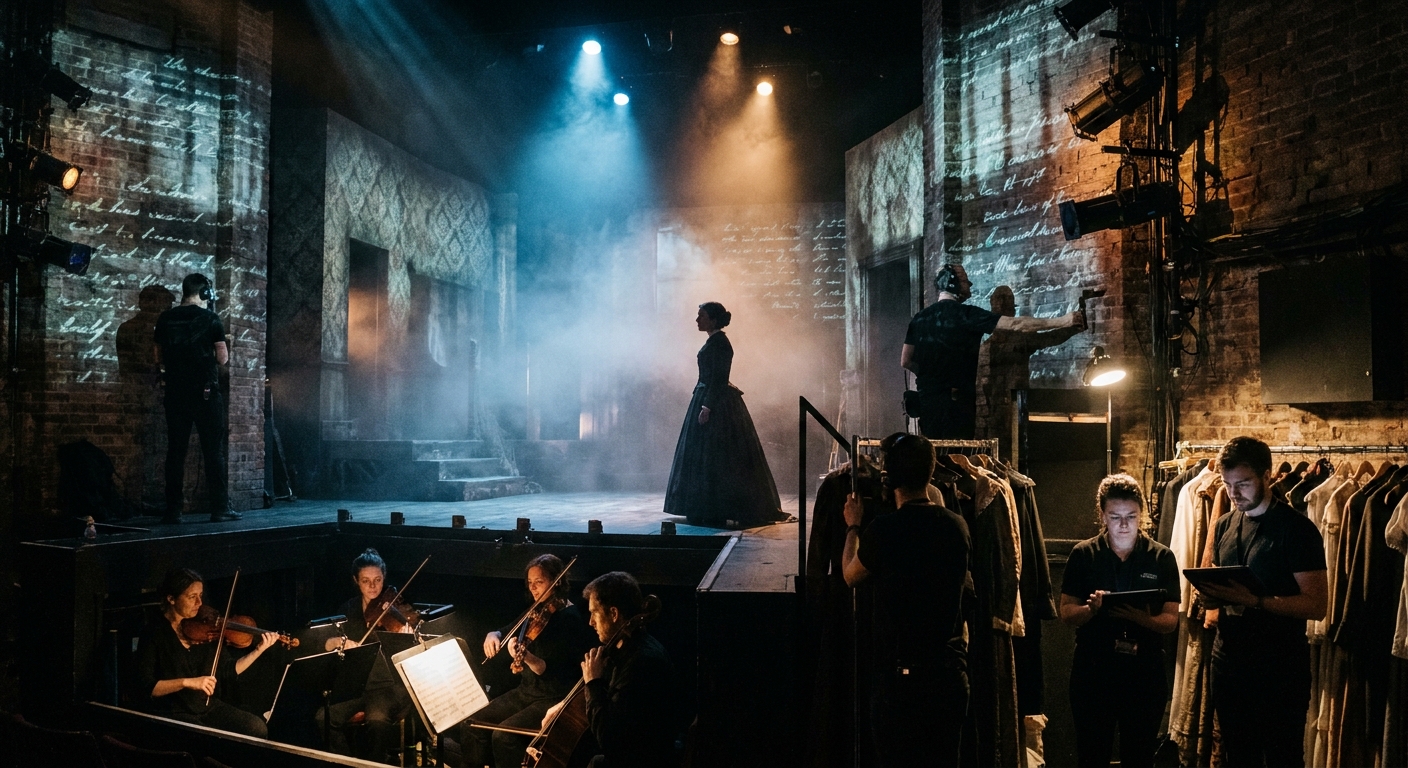
If you are tired of hearing about the same handful of giant musical titles, you are not alone. Every week brings another glossy announcement, another celebrity casting, another familiar film turned stage show. It gets exhausting. And worse, it makes it easy to miss the productions that actually feel exciting. That is why the Jane Eyre musical 2026 revival at Southwark Playhouse matters. This is not a giant branded franchise trying to coast on name recognition. It is a 1990s Broadway cult favorite getting its long-delayed UK premiere in an intimate London venue, with the kind of scale, care, and word-of-mouth buzz that serious theatre fans notice fast. For anyone trying to work out which new musical stories are really worth tracking, this is one of them. It is a smart signpost. It shows where musical theatre can still surprise people, even without a blockbuster budget.
⚡ In a Hurry? Key Takeaways
- The Jane Eyre musical 2026 revival at Southwark Playhouse is worth watching because it gives a cult Broadway title a bold UK reintroduction, not just another nostalgia run.
- If you want to spot the next meaningful theatre trend, follow intimate revivals with strong word-of-mouth, literary source material, and fresh staging choices rather than only the biggest ad campaigns.
- This production matters beyond ticket sales. It shows writers, producers, and fans how character-driven musicals can break through without relying on film IP or huge budgets.
Why this revival is suddenly getting people talking
Jane Eyre has always had the bones of a musical people become slightly obsessed with. The story is emotional, dark, romantic, and full of inner conflict. That is fertile ground for music. But the show never became one of those giant household titles that gets revived every few years.
That is part of the appeal now. It feels discovered rather than over-marketed.
The Southwark Playhouse production gives the musical something it has not had in the UK before. A proper platform. Not as a museum piece. Not as a curiosity. As an event.
And because it lands in a smaller, more engaged venue, the response feels more personal. People are recommending it to each other. They are talking about the score, the gothic mood, the emotional punch. That kind of buzz is hard to fake.
What exactly is Jane Eyre in musical form?
For anyone coming in cold, this is the stage musical based on Charlotte Brontë’s novel, with music and lyrics by Paul Gordon and a book by John Caird. It first reached Broadway in the late 1990s and earned a loyal following, even if it never joined the top tier of long-running commercial hits.
That history matters. The show has pedigree, but it also has underdog status. It is respected without being overexposed.
That makes the 2026 Southwark Playhouse revival especially interesting. Audiences are not walking in with the sort of brand fatigue that can hang over bigger titles. They are walking in curious.
Why Southwark Playhouse is the right home
Venue matters more than people think. A musical like Jane Eyre does not need a giant palace theatre to work. In fact, a more intimate house may suit it better.
This is a story about repression, memory, longing, secrets, and survival. Those things often play best up close. You want to see faces. You want to feel the tension in the room. You want the music to wrap around the audience instead of disappearing into a huge auditorium.
Southwark Playhouse has built a reputation for exactly this sort of work. It is often where shows with real artistic life can breathe before the wider market fully catches up.
Small room, bigger stakes
In a venue like this, every choice shows. Casting has to be sharp. The emotional storytelling has to be honest. The design has to create atmosphere without hiding behind spectacle. If a production lands, audiences can feel that immediately.
That is one reason the Jane Eyre musical 2026 revival Southwark Playhouse story has spread so quickly among theatre fans. It looks like a revival with purpose, not just a title fill.
How this 2026 version is being repositioned for a new audience
The smartest revivals do not simply restage old material and hope affection will do the rest. They ask a practical question. Why this show, now?
Jane Eyre has a strong answer.
Its themes feel current again. A woman fighting for agency. A world built around class, control, silence, and moral compromise. A love story with real danger in it. Those ideas do not feel dusty. They feel sharp.
There is also a growing appetite for literary adaptations that trust audiences to handle complexity. Not every musical has to be a loud comedy or a familiar movie title. Some people want atmosphere. They want yearning. They want a bit of darkness.
Smart casting and musical scale
One of the strongest signs that this revival means business is the sense that the production is not treating the score like a relic. The talk around it points to a fuller musical life, stronger orchestration choices, and a cast built to sell emotion rather than celebrity.
That is a very modern play. If you cannot outspend the giant commercial shows, you out-think them. You make the material feel urgent. You give fans something to champion.
Social-first buzz instead of billboard dominance
This is another reason the show stands out. It is being talked about the way cult theatre often is now. Through clips, reactions, recommendations, fan discussion, and that very specific energy of people saying, “Wait, have you heard about this?”
That matters. Social buzz can be shallow, sure. But it can also help the right kind of show find its audience quickly, especially when the audience is hungry for something outside the usual pipeline.
Why this matters beyond one production
For fans, the value is obvious. This is a chance to catch a respected musical that has never quite had this moment in the UK. But the bigger story is what it signals about the market.
Not every revival worth caring about comes with a huge advertising push. Sometimes the most exciting work sits just under the loudest headlines. If you only follow the biggest titles, you miss where the form is changing.
Jane Eyre points to a healthier possibility for musical theatre. One where literary material, emotional seriousness, and strong craft can still create momentum.
What writers and indie producers should notice
If you are an emerging writer or small producer, this production is a useful case study.
It shows that a character-driven piece can be sold as an event if the framing is right. You do not need superhero branding. You do not need a famous movie logo. You need clarity about what makes the piece feel special now.
In this case, the pitch is strong. Gothic romance. A known literary title. A cult musical reputation. A long-overdue UK arrival. A venue that gives it edge. That is a compelling mix.
The lesson is simple. Presentation matters. Positioning matters. Timing matters.
It is not anti-commercial. It is just smarter
There is a tendency to talk as if every non-blockbuster theatre success is somehow separate from commerce. That is too simple. A show like this still needs to sell tickets. It just sells them differently.
It uses taste, conversation, scarcity, and identity. It tells audiences, “If you care about serious musical theatre, this is one to watch.” That can be very effective.
What to watch next if you are tracking real theatre momentum
Look for a few signs.
First, notice which productions keep coming up in genuine conversation, not just press releases. Second, pay attention to venues with a strong record of nurturing smart revivals. Third, ask whether the material offers something audiences are missing elsewhere.
Jane Eyre checks those boxes. It is distinct. It has emotional texture. And it arrives at a time when many theatre-goers are craving stories that feel less factory-made.
At a Glance: Comparison
| Feature/Aspect | Details | Verdict |
|---|---|---|
| Source material | A classic gothic novel adapted into a character-led musical with emotional depth and built-in literary appeal. | Stronger and more distinctive than another generic brand adaptation. |
| Revival strategy | Intimate venue, likely sharper focus on performance and atmosphere, plus social buzz instead of mass-market hype. | A smart fit for cult material and exactly the right scale for discovery. |
| Industry significance | Shows how underplayed titles can return as must-see events through careful casting, musical ambition, and clear positioning. | One of the more useful revival models for fans and indie creators to study. |
Conclusion
Jane Eyre’s long-delayed UK premiere at Southwark Playhouse is exactly the kind of story serious musical fans have been waiting for. It is a cult title getting a bold second life in an intimate house, powered more by word-of-mouth than by IP muscle. That is why the Jane Eyre musical 2026 revival Southwark Playhouse deserves attention. It helps audiences spot where the art form is actually moving, beyond branded movie musicals and giant nostalgia plays. And for writers or producers trying to build the next original event, the lesson is encouraging. A character-driven gothic adaptation can still cut through if the casting is smart, the music is given room to breathe, and the marketing speaks to people where they already are. Sometimes the most important theatre story is not the loudest one. It is the one people cannot stop recommending once they have seen it.