Inside ‘High School Musical’ 2026: How Disney’s Unlikeliest Comeback Just Became London’s Next Teen Mega‑Hit
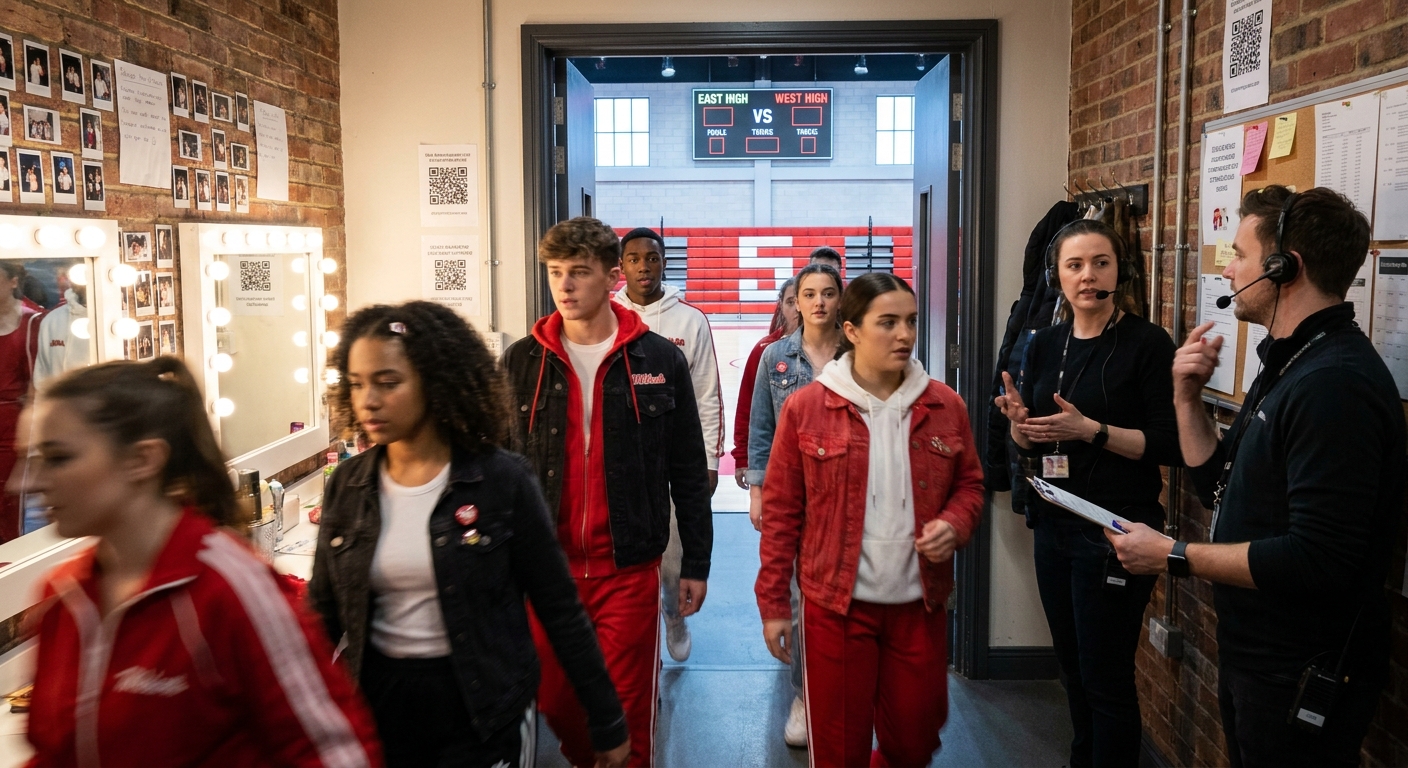
If you are sick of every “must see musical” list serving up the same old titles, you are not imagining it. A lot of coverage is still acting like teen audiences will patiently wait for critics to catch up. They will not. They are picking favorites in real time, through clips, reactions, fan edits and cast chemistry that travels fast online. That is why the High School Musical London revival 2026 matters more than people expected. What looked like a nostalgia play has turned into something sharper. It feels built for the way Gen Z actually discovers theater now. This version is not winning people over just because they remember the movie. It is working because the production seems to understand a basic truth. Familiar IP only becomes exciting again when it feels emotionally fresh, visually shareable and local enough to belong to the audience in front of it. That is the real comeback story here, and it is worth paying attention to.
⚡ In a Hurry? Key Takeaways
- The High School Musical London revival 2026 is connecting because it feels made for current teen fandom, not just for millennial nostalgia.
- If you want a familiar title to hit again, start with honest character work, short-form friendly staging and casting that gives local audiences someone to claim.
- The big lesson is not “copy Disney.” It is “make the show easy to share, easy to root for and emotionally real enough to spark word of mouth.”
Why this revival is landing now
On paper, High School Musical is a risky comeback. Everyone knows it. Everyone has a version of it in their head. That usually makes a revival harder, not easier.
But the High School Musical London revival 2026 seems to have picked the right fight. Instead of asking audiences to salute a brand, it asks them to feel something again. That is a huge difference.
The best reports around the show all point to the same thing. This is not being sold as a museum piece. It is being sold as a live event with energy, awkwardness, crushes and big emotional turns that read clearly from the back row and still clip well for social.
What changed from “beloved IP” to “teen mega-hit”
TikTok-native choreography, not just updated dance breaks
A lot of producers hear “younger audience” and think they just need faster movement and brighter lighting. That is not enough. What works now is choreography that creates moments. Little peaks. Bits people can film, mimic, quote and post.
This revival appears to understand that. The movement style reportedly keeps the big ensemble rush of High School Musical, but shapes it into cleaner, more readable beats. That matters. If a routine looks muddy on a phone screen, it dies there. If it has one killer hook, one image, one repeatable gesture, it spreads.
That does not mean the show is chasing trends in a desperate way. It means it knows how people watch now. Theater does not live only in the building anymore.
Emotionally honest direction
This is the less flashy piece, but it may be the most important one. Teen audiences can smell fake sincerity in seconds. If Troy and Gabriella feel like cardboard icons, the whole thing collapses.
The smart move in the High School Musical London revival 2026 is treating the material with a little more honesty than people expect. Not irony. Not apology. Honesty.
That means the social pressure feels real. The fear of standing out feels real. The awkwardness is allowed to be awkward. Once a show gets that right, the songs stop feeling like relics and start feeling like release valves.
That is often the difference between “cute revival” and “actual hit.”
Regional casting gives it fresh ownership
One of the easiest ways to make a global brand feel alive again is to stop making it feel imported. Smart regional casting helps do that fast.
When audiences see performers who feel connected to their world, their schools, their speech rhythms and their social energy, the show stops being a hand-me-down. It becomes theirs.
That also helps fandom. Fans do not just want a famous title. They want specific people to champion. They want breakout performers. They want clips of “our cast” doing “that moment.”
That is how word of mouth starts to build from the ground up instead of being pushed from the top down.
What producers should copy, and what they should not
The lesson here is not “revive every 2000s property and hope for the best.” The lesson is much more practical.
Take a familiar title and ask three plain questions.
1. Can people explain why this version exists?
If the answer is just “people know the brand,” you are in trouble. This London revival seems to have a clearer answer. It exists to make High School Musical feel immediate for teens who live online and still want something live and communal.
2. Are there moments people will share without being asked?
Marketing can start a conversation, but only the show can keep it going. You need scenes, songs or dance phrases that naturally turn into posts, reactions and recommendations.
3. Is the cast giving fans someone to invest in?
Fandom needs faces, chemistry and narratives. It is much easier for younger audiences to adopt a revival when they feel they are discovering talent, not just consuming content.
If you want a useful comparison point, look at how breakout shows create identity around themselves. Why ‘Oh, Mary!’ Just Became The Template For A Global Cult Musical In 2026 gets at this well. The biggest hits are not always the ones with the loudest launch. They are often the ones with the clearest social identity.
Why Gen Z is responding
Gen Z does not hate older titles. They hate being handed stale experiences and being told they are iconic. There is a difference.
The High School Musical London revival 2026 appears to be working because it offers three things younger audiences still want from live entertainment.
Recognition
They know the world. They know the characters. Entry is easy.
Novelty
The staging, pacing and performance style make it feel current enough to talk about now, not as a homework assignment from another generation.
Participation
This is the big one. The show gives audiences material to react to, quote, remix and champion. That is how fan culture works in 2026.
What this means for schools, regional houses and new writers
This story is bigger than one Disney title. If you are working on a school production, a fringe transfer or a new musical with a built-in fan base, there is a practical blueprint here.
First, stop treating familiarity as the selling point. Familiarity only gets people to glance at you. It does not make them care.
Second, build for emotional clarity. If a scene cannot hit in the room, no amount of online chatter will save it.
Third, think about shareable form without cheapening the material. That means visual hooks, clean staging pictures and moments of character truth that survive outside the theater.
And fourth, cast with community in mind. People support what they feel belongs to them.
At a Glance: Comparison
| Feature/Aspect | Details | Verdict |
|---|---|---|
| Use of familiar IP | The show uses a well-known Disney title, but frames it as a fresh live event instead of a nostalgia replay. | Strong. Familiar enough to attract, fresh enough to matter. |
| Appeal to Gen Z | Short-form friendly choreography, honest performances and clip-ready visual moments help it spread. | Very strong. Built for discovery as well as attendance. |
| Long-term lesson for the industry | Revivals work best when they create local ownership, breakout cast buzz and a clear reason to exist now. | Useful blueprint for producers, schools and superfans alike. |
Conclusion
The real story behind the High School Musical London revival 2026 is not that Disney dust worked again. It is that a deeply familiar property was rebuilt to match how young audiences actually connect with theater now. That is why this matters to the Legend The Musical community today. It answers a live question, not a theoretical one. How do you make known material feel like an event again for a generation raised on streaming clips, not cast albums? This revival points to a clear answer. Use choreography that travels, direction that tells the truth and casting that gives audiences real ownership. For producers, writers and fans, that is more than a success story. It is a practical model you can start using right now, whether you are mounting a school show or trying to spark the next off-Broadway obsession.