Inside Broadway’s ‘New Musical Drought’: How A Slow Season Quietly Turned Fans Into Power Curators
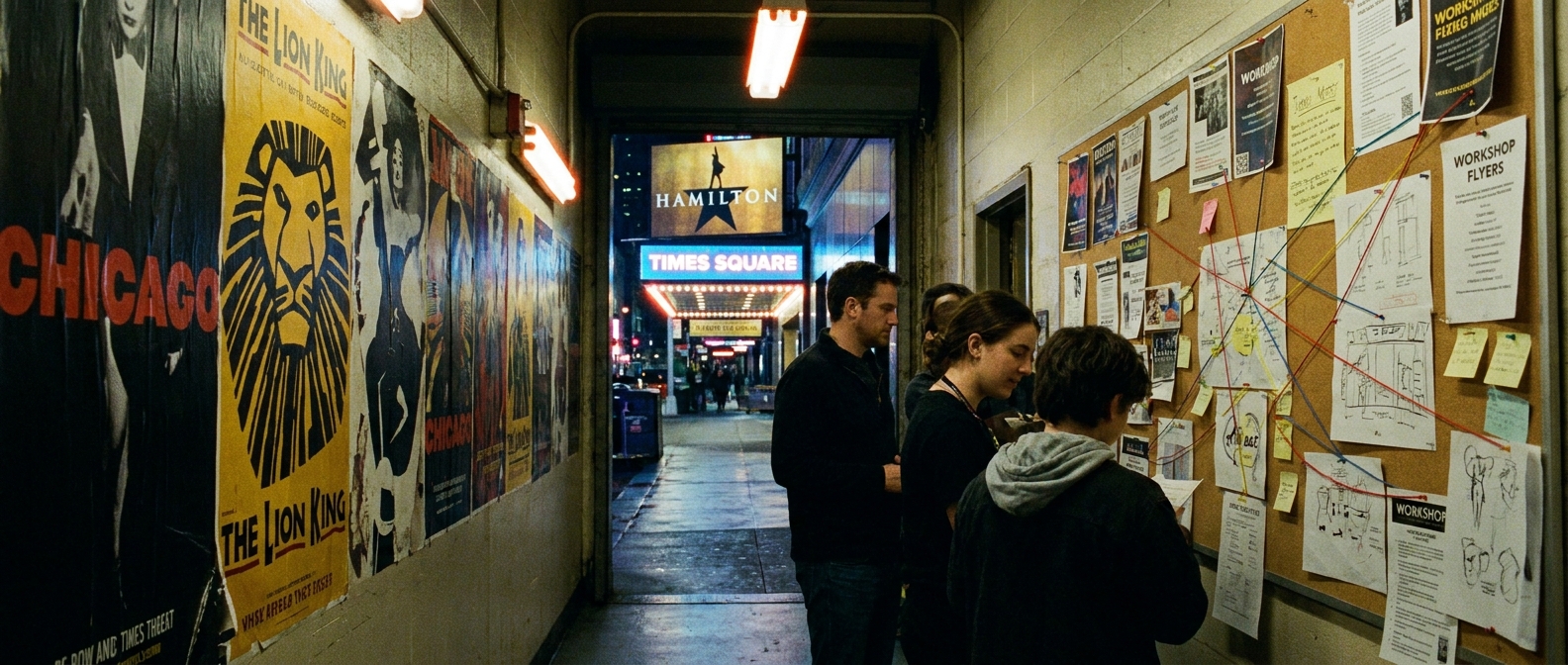
You are not imagining it. The Broadway new musical drought 2026 conversation is real, and it feels especially sharp if you live for opening notices, cast albums and that rush of saying, “I saw it early.” Right now, the pipeline looks thin. A handful of long-running giants still dominate mindshare, some newer titles have already closed, and the list of truly fresh musical openings does not feel deep enough for the appetite out there. That creates a strange mood. Fans are hungry, producers are cautious, and every season announcement gets picked apart like a weather report. But here is the twist. A slow season does not mean nothing is happening. It means the center of gravity is shifting. When Broadway offers fewer obvious event musicals, fans start doing more of the filtering, boosting and spotting. In plain English, audiences become curators. And that can shape what gets heat next.
⚡ In a Hurry? Key Takeaways
- The Broadway new musical drought 2026 is less about zero new work and more about fewer clear, big-ticket Broadway arrivals at once.
- If you want to stay ahead, track off-Broadway runs, regional premieres, London transfers and grosses chatter, not just Broadway opening dates.
- Your ticket choices matter more in a thin season. Early support can help strong new work build momentum instead of getting lost.
Why this season feels so thin
Part of the frustration is simple math. Broadway has limited houses, huge costs and a shrinking margin for error. A new musical is the most expensive bet on the board. If reviews wobble or advance sales soften, the runway gets short very fast.
That pushes producers toward safer moves. Revivals feel more familiar. Plays can cost less. Star casting can help. Long-running hits keep their theaters. The result is a season that looks active on paper but thinner if your specific craving is “brand-new musical I have never seen before.”
Fans feel that gap immediately. You refresh casting notices, skim grosses, hear buzz about workshops, then realize many of the most exciting titles are still in development, still downtown, still in London, or still one season away.
The real story is not drought. It is redistribution.
Calling it a drought is useful because it names the feeling. But it can also hide what is actually going on. New musical energy has not vanished. It has spread out.
Off-Broadway matters more
In a slower Broadway cycle, off-Broadway becomes the test kitchen. This is where risk feels more manageable and word of mouth can form without the same weekly pressure. For fans, that means the most interesting new work may be happening a few subway stops away from Times Square, not under the brightest marquee.
Regional theaters are doing first looks
Many projects now build in Chicago, Boston, D.C., La Jolla, San Diego, Seattle and other regional hubs before Broadway is even realistic. That is not a consolation prize. It is often where the strongest material gets sharpened.
London and global premieres are part of the Broadway map now
If you only watch Broadway announcements, you will hear about some shows too late. A title can build heat abroad, find its shape, and arrive with a lot of momentum already formed. Fans who watch the full pipeline are simply better informed than fans who wait for a Shubert alley photo call.
How fans quietly became power curators
This is the most interesting part of the Broadway new musical drought 2026 story. When there are fewer obvious consensus hits, the crowd starts doing more sorting.
Think about how buzz works now. It is not just critics. It is fan clips, forum threads, Discord chatter, rush-line stories, TikTok reactions, cast album obsessives and people comparing notes across cities. A slow season gives all of that more power because there are fewer giant titles sucking up all the oxygen.
In other words, the audience is no longer just waiting to be told what matters. It is helping decide what matters.
Group chats are mini tastemaking machines
That sounds funny, but it is true. One trusted friend sees a new score downtown. Another catches a regional tryout. Someone else follows grosses every week. Put those people together and you have a better filter than most generic “best shows right now” lists.
Early adopters can change a show’s fate
When a fresh musical lands in a quiet market window, a few weeks of real fan enthusiasm can have outsized impact. That can mean stronger premium demand, more press attention, better tourist awareness and a longer life to find its audience.
Fans are getting sharper about form, not just hype
The best part is that theatergoers are asking smarter questions. Not just “Is it a hit?” but “What is it trying to do?” Is the score new? Is the book taking a risk? Is the staging solving a hard problem? Is it moving the musical forward, even if it is still rough?
What to watch instead of just Broadway opening lists
If your goal is to find the next breakout before everyone else is quoting it, broaden your radar.
1. Weekly grosses
Grosses do not tell you if a show is great. They do tell you where pressure is building and where heat may be real. If a title is outperforming expectations, extending, or staying stable after opening buzz cools, pay attention.
2. Nonprofit and off-Broadway calendars
This is often where future transfers begin their public life. If a musical is generating repeat attendance or unusually strong member chatter, it may be laying tracks for something bigger.
3. Regional premiere announcements
A lot of fans treat regional runs as “not yet.” That is backwards. They are often “right now, if you want to understand what is next.”
4. London reviews and cast recording chatter
A show does not need a Broadway address to matter to Broadway’s future. If a title is catching fire across the Atlantic, American producers and audiences are watching.
How to use this moment if you are a fan
A thin season can feel disappointing. It can also be a better season to make intentional choices.
Buy fewer “safe” tickets and one more adventurous one
You do not need to stop seeing favorites. Just rebalance. If you already know one giant long-runner will be there next year, maybe use this year’s spare ticket on something newer and less settled.
Follow creators, not just titles
Sometimes the better signal is the writer, director or producer. If an artist behind a show you loved is developing new work somewhere else, that is worth watching even before the title gets famous.
Talk specifically about what worked
“It was good” does not move culture much. “The score took a huge swing in act two” does. Specific praise helps other fans decide what is actually exciting, and it helps newer work get discussed on its own terms.
How to use this moment if you are a student or indie maker
If you are making theater, this season has a lesson. Broadway’s caution does not mean audiences are closed off to new work. It means they are choosier and more active.
That should be encouraging. People are hungry. They are looking. They are comparing versions, following development paths and rooting for the real thing. If your work is distinct, there is space for it to get noticed. Maybe not overnight on Broadway, but in the ecosystem that feeds it.
Study transfer paths, not just finished hits
Look at how shows actually traveled. Many did not spring fully formed onto Broadway. They built proof in pieces. That route matters more than ever.
Build community early
Theater fans are doing curation work now. Invite that. Give people language, clips, songs, behind-the-scenes context and reasons to advocate for your show before it becomes “official.”
So, is Broadway in trouble?
Not exactly. Broadway is in one of its recurring cautious phases, where money tightens, fewer giant swings get taken at once, and the market looks narrower than the appetite. That is frustrating, yes. But it is not the same thing as creative collapse.
The creative life is still there. It is just scattered across more places, and the path to Broadway is less linear than fans were trained to expect.
At a Glance: Comparison
| Feature/Aspect | Details | Verdict |
|---|---|---|
| Current Broadway slate | Fewer obvious new-musical event openings, with many houses still tied up by established titles | Feels thin if you want novelty right now |
| Where new work is building | Off-Broadway, regional theaters, nonprofit runs and international premieres are carrying more of the energy | Best place to spot future breakouts early |
| Fan influence | Word of mouth, social chatter and early ticket support now shape attention faster in a sparse season | Higher than usual, fans really can move the needle |
Conclusion
If Broadway feels short on fresh musical oxygen right now, that frustration is fair. But the useful takeaway is not just “there is a drought.” It is that the map has changed, and audiences have more say than they think. Once you stitch together grosses chatter, season announcements, off-Broadway signals and global premieres, the picture gets clearer. The real energy is still moving. It is just not always sitting under the biggest sign on 45th Street. That is good news for fans, students and indie makers. It means you can talk smarter in group chats, choose tickets that push the form forward, and spot the projects that may become the next Hadestown or Hamilton before the rest of the crowd catches up.